Here's the thing about overwhelming sensation
Your body isn't broken if touch feels like too much. Hypersensitivity during solo or partnered pleasure is more common than you think, and it's fixable. What most people don't know: the problem usually isn't the vibrator. It's how you're approaching it.
I've worked with dozens of clients who thought they couldn't use lemon vibrators because stimulation felt painful, numb, or intensely uncomfortable. Almost every one of them is now using them regularly. The shift wasn't about finding a different toy. It was about learning three things: why this happens, how to pace exploration, and which settings actually feel good on an overwhelmed nervous system.
Why touch can feel like too much
Overwhelming sensation during pleasure typically comes from one of five places. Understanding which one applies to you changes everything.
Nerve density + responsiveness. Your clitoris has 8,000+ nerve endings in a small area. For some people, that density means standard vibration patterns feel like static, not pleasure. The nervous system can't process the input smoothly. It reads intensity instead of sensation.
Hormonal fluctuation. Estrogen changes how your nervous system responds to touch. If you're in a low-estrogen phase of your cycle, post-menopause, or taking hormonal medication, that sensitivity threshold shifts. Your clitoris might need a gentler approach than it did last month.
Trauma or anxiety history. If your nervous system learned early that touch wasn't safe, it can stay in protective mode even when you're actually secure. Your brain sends an alarm signal that overrides pleasure signals. This isn't psychological weakness. It's neurobiology.
Desensitization or numbness history. Paradoxically, chronic numbness sometimes swings into hypersensitivity once sensation starts returning. Your nervous system is recalibrating. During that recalibration window, light input can feel jarring.
Medical factors. Certain conditions like neuropathy, fibromyalgia, or vulvodynia genuinely change sensation processing. If you have a diagnosed sensitivity condition, checking in with your healthcare provider before using any vibrator is worth it.
The foundation: pacing and permission
Before you touch a lemon vibrator, settle three things in your mind.
One: There's no rush. You're not trying to reach orgasm on day one. You're trying to figure out what your body can tolerate and enjoy. That exploration might take weeks. That's normal. That's actually the goal.
Two: Stopping is not failure. If sensation becomes overwhelming mid-session, stopping is the wise choice, not a personal defeat. Your nervous system is communicating. Listen to it.
Three: Settings are not one-size-fits-all. The intensity that feels perfect for a friend might feel impossible for you. That's not because your body is wrong. It's because hypersensitivity is real and valid, and it needs different tools.

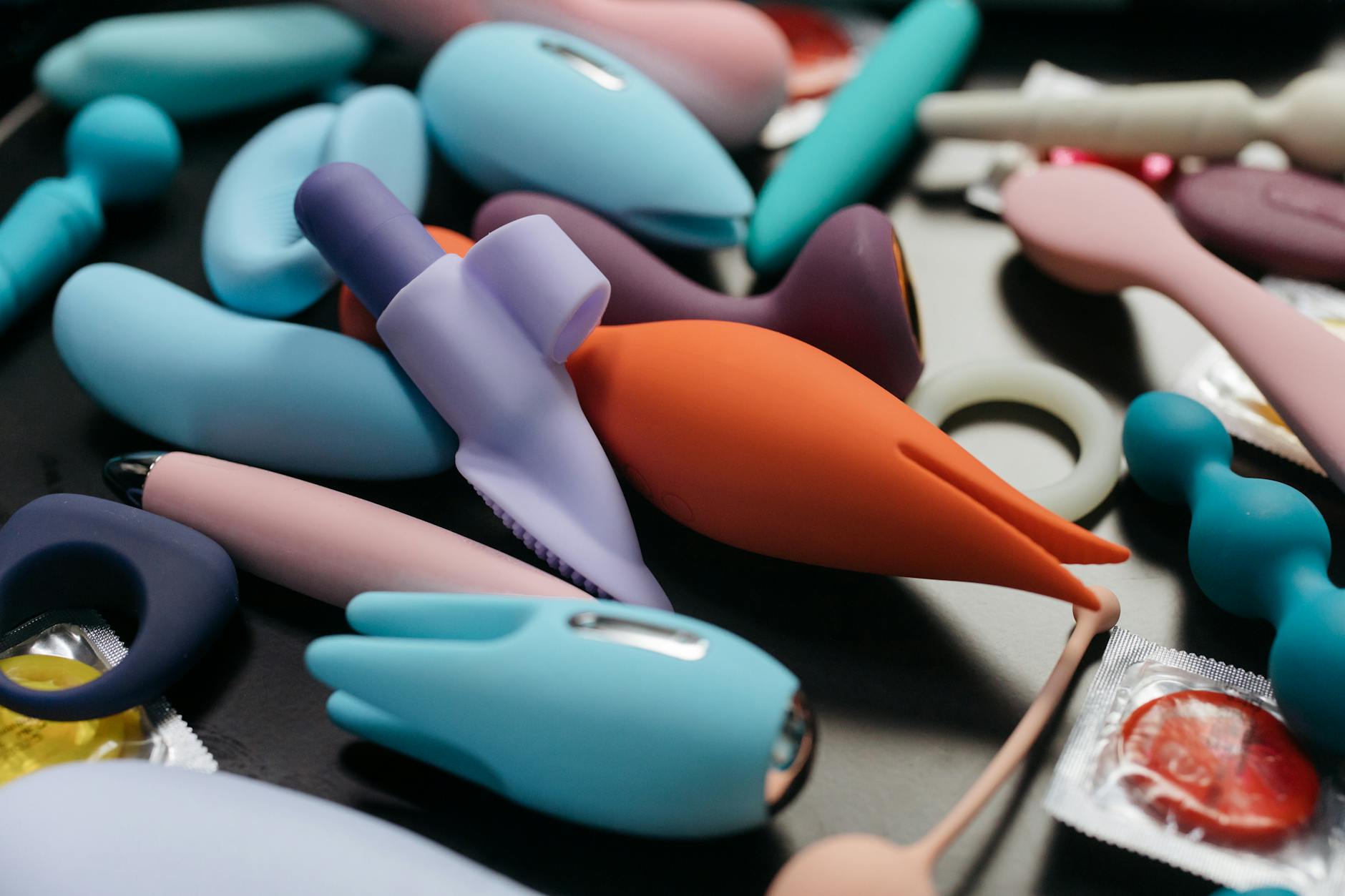
Photo by cottonbro studio on Pexels
How to start with a lemon clitoral vibrator when sensation feels intense
Four steps to explore without triggering overwhelm.
Step 1: Start with the vibrator OFF. Let your body get used to the shape, weight, and texture. Hold it. Touch it to your inner arm. Notice that it's not a threat. Spend a few sessions just handling it. This sounds slow. It works.
Step 2: Turn it on at the lowest setting, away from your body. Feel the vibration in your hand. Get your nervous system comfortable with the sensation before it touches your clitoris. If that feels manageable, move to the next step. If not, stay here until it does.
Step 3: Apply it through clothing first. Start with underwear or a thin layer between the vibrator and your skin. This dampens intensity significantly. Many people find this threshold is exactly where pleasure starts, not where it overwhelms. The lemon clitoral vibrator's design works beautifully here because the suction-cup action still registers through fabric.
Step 4: Move to direct skin contact only when you're ready. Even then, don't apply it directly to your clitoris. Start on the area around it. The inner labia, the mons pubis, the base of the clitoris. Let stimulation build gradually. Your body will tell you when direct contact feels okay.
Settings and patterns that work for hypersensitive bodies
If you have a lemon vibrator, you already know it has multiple intensity levels. Here's how to use them strategically.
Levels 1 and 2 are your starting zone. They should feel noticeable but not alarming. Many people with hypersensitivity never need to move beyond these. That's completely fine. Pleasure isn't a competition to reach the highest setting.
If those still feel too strong, try using the vibrator in short pulses. Press it on for 3 seconds, release for 5. This gives your nervous system time to process between hits. Over time, your tolerance often increases, but this pulsing technique works indefinitely if that's what your body prefers.
Pattern switching matters too. Most lemon sexual toys offer steady vibration, pulsing, and escalating patterns. For hypersensitive exploration, stick with steady vibration. Pulsing and escalating patterns can feel chaotic when your system is already processing sensation as threat.
When to use lube, when to skip it
Lubricant changes sensation intensity significantly. If you're hypersensitive, understanding this is key.
Water-based lube actually reduces vibration sensation because it creates a slick layer between toy and skin. This can be exactly what you need. If direct contact feels overwhelming, adding lube and using a slightly higher intensity setting might actually feel better than dry contact with a lower setting.
Silicone lube transmits vibration more directly. If you're using a silicone-based toy, check compatibility first. Many people with hypersensitivity find silicone lube intensifies sensation too much, so water-based is safer.
Start dry, then experiment. You might find that a thin layer of lube actually expands your comfort zone, not shrinks it.
The nervous system reset between sessions
Here's something most guides skip: how to help your nervous system recover after an overwhelming experience.
If a session triggered hypersensitivity or discomfort, your nervous system might be slightly activated afterward. Give yourself 20 minutes of low-stimulation time. No strong sensations, no rushing. Read, listen to music, sit with a warm drink. This helps your system downregulate naturally.
If you're exploring how to use lemon vibrators when anxiety blocks arousal, this recovery window becomes even more important. You're essentially retraining your nervous system to associate stimulation with safety, not threat. That retraining needs breathing room.
Many clients find that spacing exploration sessions 2-3 days apart, rather than daily, accelerates the process. Counterintuitive, but it works. Your nervous system needs time to integrate, not constant exposure.
When to bring a partner in
If you're in a relationship and managing hypersensitivity during partnered sex, there's a useful conversation to have.
Take a lemon clitoral vibrator and show your partner exactly what intensity level feels manageable. Let them watch your body respond. Walk them through why certain settings work and why others create shutdown. This removes guessing. Your partner isn't trying to "fix" your sensitivity. They're learning your actual pleasure map.
Many couples find that introducing lemon sexual toys into partnered intimacy actually resolves sensitivity issues faster. Your partner can observe what works, adjust pacing, and create a controlled environment. This is different from solo exploration and often accelerates nervous system recalibration.
Tracking what works
Keep a simple note on your phone after each session. Not a diary. Just three things: setting used, duration, and how your body felt during and after.
Over two to three weeks, patterns emerge. You'll notice that level 2 for five minutes feels different than level 2 for fifteen. You'll see that pulsing patterns create different sensations than steady vibration. You'll discover whether direct contact or contact through fabric works better for your body.
This data becomes your personal sensitivity map. It's incredibly useful when you're navigating returning to intimacy after challenges because you already know what helps your nervous system feel safe.
People also ask
Can hypersensitivity to vibrators ever go away?
Yes, often. As your nervous system becomes familiar with lemon vibrators and pleasure, sensitivity usually decreases naturally. That's recalibration, not damage. Some people find their sensitivity threshold shifts within weeks. Others take months. Both are normal. If hypersensitivity persists beyond three months of regular, gentle exploration, checking in with a sex-positive healthcare provider is smart. Sometimes there's an underlying medical factor that deserves attention.
Is it possible to be hypersensitive but still orgasm?
Absolutely. Sensitivity and orgasm capacity are different things. You can have a hypersensitive clitoris and powerful orgasms. The path just looks different. Usually slower warm-up, lower intensity settings, and more indirect stimulation. But the destination is the same.
Does hypersensitivity mean I shouldn't use vibrators at all?
No. It means using them differently. The lemon clitoral vibrator's range of settings, including very low intensities, actually makes it ideal for hypersensitive bodies. Plenty of people with overwhelming sensation find that these tools, used carefully, expand their pleasure capacity. The key is pacing and listening to your nervous system.
Can I use lube with my lemon vibrator if I'm hypersensitive?
Yes, and it might actually help. Water-based lubricant reduces direct vibration intensity by creating a buffer. This often makes exploration more comfortable. Just check your toy's material compatibility if you're considering silicone lube. When in doubt, water-based is always safe.
What if my partner's touch feels overwhelming too?
Then you're working with touch sensitivity that extends beyond vibrators. The pacing principles here still apply. Start with light, indirect contact. Communicate clearly about what feels manageable. Consider that your nervous system might need longer recovery time between intimate sessions. If partner touch remains consistently painful, mentioning it to a healthcare provider is worth it. Sometimes there's a treatable cause.
Does medication affect vibrator sensitivity?
Sometimes. Antidepressants, antihistamines, and hormonal medications can all shift sensation. If you started a new medication and suddenly find vibration overwhelming, that's worth exploring with your prescriber. The sensitivity might settle as your body adjusts, or a dosage shift might help. Don't stop anything, but definitely mention it.
The real progress looks different
When you're working with overwhelming sensation, don't measure success by intensity level reached or orgasm achieved. Success is: you touched the vibrator without anxiety. You used level 1 for two minutes without discomfort. You felt a pleasant sensation that lasted longer than last time.
These small shifts add up. Over weeks and months, they become the foundation for deeper pleasure and more confident exploration. Your nervous system is learning that stimulation can be safe, manageable, and genuinely good.
That's the whole point. Not speed. Not intensity. Just you, gradually, coming back home to your own sensation.