Let's be real about post-breakup sex
Breakup doesn't just end a relationship. It can rewire how your body responds to touch, desire, and pleasure. You might feel disconnected from sensations that used to feel automatic. Or you might feel anxious, guilty, or strange exploring pleasure alone after years of partnered sex. That's not a failure. That's your nervous system recalibrating.
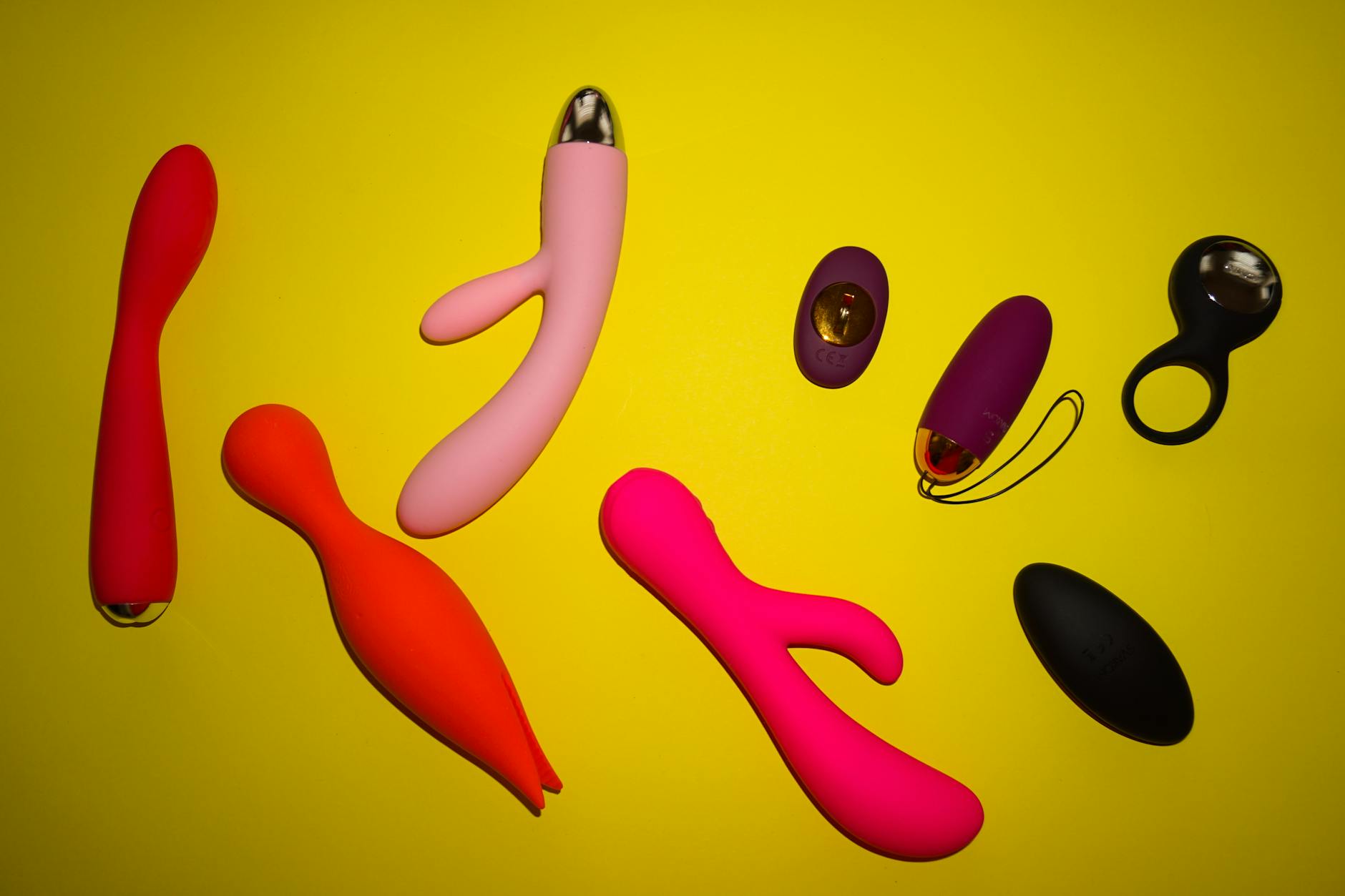
Here's what I tell clients in this exact situation: using a clitoral vibrator like the Lemon vibrator after a breakup isn't about "moving on" or "getting over" someone. It's about reconnecting with your own baseline. What does pleasure feel like when it's only about you?
Why your body goes into lockdown after heartbreak
When a significant relationship ends, your body doesn't immediately get the memo that things have changed. You might have spent years responding to a specific person's touch, timing, and rhythm. Your nervous system learned their patterns. Now that person is gone, and your body doesn't know how to access arousal on its own terms.
This shows up in three main ways. First, physical sensation feels muted or delayed. Touch that used to spark something now feels like static. Second, anxiety hijacks the process. Your brain keeps interjecting memories, comparisons, or guilt before pleasure can build. Third, you might feel disconnected from desire altogether, which is actually your nervous system protecting you while you heal.
A clitoral vibrator addresses all three. The direct, consistent stimulation from a Lemon sucker bypasses some of the cognitive noise. You're not waiting for arousal to build naturally. You're creating the conditions for pleasure to exist, which your nervous system will eventually recognize as safe.
The first week: grounding, not performance
Don't aim for an orgasm. Seriously. That's performance pressure you don't need right now.
Instead, use your vibrator as a grounding tool. Find a time when you're alone, not rushed, and your brain is relatively quiet. Lie down, take three long breaths, and spend 5-10 minutes exploring sensation without any goal. Put your Lemon vibrator on the lowest setting. Notice what you feel. Notice what you don't. That's the whole practice.
Your job here is to tell your nervous system: "This is safe. This is only for me. There's no audience, no expectation, no one else's pleasure to think about." That sentence alone can take weeks to actually believe in your body, not just your mind.
If anxiety spikes, stop. You're not broken. Your nervous system is doing its job. Try again tomorrow.
Building the habit without the pressure
Once you've done the grounding work for a few days, you can shift to slightly more intentional exploration. Set aside 15-20 minutes, get comfortable, and use your Lemon clitoral vibrator with permission to explore what feels good. Not what should feel good. Not what felt good with someone else. What feels good right now, in this body, on this day.
Start at pattern 2 or 3 rather than maximum intensity. Your nervous system is still in recovery mode. Gentler stimulation feels less jarring. As you use your lemon vibrator consistently over a few weeks, you'll notice sensation becoming more accessible. Arousal might not be instant, but it will start to build.
Many clients report that the actual orgasm feels different than it used to. Sometimes flatter. Sometimes sharper. Sometimes surprisingly intense. All of those are normal. You're not comparing yourself to the past. You're just experiencing what your body offers you now.
Managing the emotional landmine moments
You're using your Lemon vibrator, sensation is building, and suddenly you remember something. A joke your ex made. A song you'd listened to together. A specific moment. Bam. Arousal evaporates. Shame floods in. You feel ridiculous for trying.
This is the most important part: that's not failure. That's healing. Your brain is processing loss while your body is trying to move forward. They're on different timelines.
When intrusive thoughts hijack your session, you have two choices. The first is to pause, acknowledge the thought without judgment, and gently redirect your focus to physical sensation. "I'm thinking about them. That's okay. I'm choosing to focus on what I feel right now." The second is to stop, get up, and do something else. No shame. Try again tomorrow.
Over time, these intrusions become less frequent. Your body starts to associate your Lemon clitoral vibrator with something that belongs to your new life, not the old one. That takes repetition and patience.
The role of solo pleasure in rebuilding confidence
Here's something I wish someone had told me after my own breakups: solo pleasure is not a consolation prize. It's not a bridge to partnered sex. It's its own form of intimacy and self-knowledge.
When you use a clitoral vibrator by yourself, you're learning your own pleasure architecture. What sensations matter most to you. How long it takes to build arousal. Whether you prefer steady stimulation or varied patterns. What your body needs to feel safe. All of that information is yours. You don't have to negotiate it with anyone.
That knowledge is wildly protective as you eventually move toward new partnered experiences. You're not waiting for someone else to figure out how to pleasure you. You already know. You've practiced. You've built your own baseline.
Using your lemon vibrator solo isn't selfish or unhealthy. It's actually one of the fastest ways to rebuild confidence in your body after heartbreak.
When to push gently, when to pause
There's a difference between "I'm anxious but I'm going to try anyway" and "My body is telling me this isn't safe right now." Learning that difference takes practice.
If you feel tension, numbness, or active discomfort when using your Lemon vibrator, pause. That's not about willpower or healing faster. That's your nervous system saying "not yet." That's valuable information. Rest, then try again in a few days.
If you feel nervous but also curious, push gently. Anxiety often sits alongside healing. You can feel both at once. Your nervous system is learning that pleasure is possible again, which is actually slightly scary. That's normal.
The general timeline: grounding work for 1-2 weeks. Consistent, gentle exploration for 4-6 weeks. By week 8, most people feel a noticeable shift. Sensation becomes more accessible. Arousal builds more readily. Intrusive thoughts happen less often. You start to feel like yourself again, which is a different self than you were before the breakup, but a self who can access pleasure.
The conversation with yourself you actually need
Your nervous system is listening to what you tell yourself about this process. If you frame solo pleasure as a consolation prize or evidence that you're alone, your body will stay tense. If you frame it as reclamation, your body will gradually relax.
Talk to yourself like you'd talk to a friend: "This is my pleasure. I'm allowed to have it. My body is learning that it's safe to feel good again. I'm doing this for me, not because I'm trying to prove anything."
That might feel ridiculous the first time you say it. Say it anyway. Your nervous system will eventually believe you.
FAQ: Rebuilding pleasure after heartbreak
How long does it take before using a clitoral vibrator feels normal again after a breakup?
Most people feel a meaningful shift within 4-8 weeks of consistent, pressure-free exploration. That doesn't mean you'll feel completely "over it" or ready for new partners. It means your nervous system will start to recognize that pleasure is possible and safe in your body. Some people move faster. Some move slower. Neither is wrong. Your body gets to set the timeline.
What if I feel guilty using a vibrator after the relationship ends?
Guilt often shows up because you're separating your pleasure from your ex's presence for the first time. You might feel like you're betraying them by feeling good without them, or you might feel like you don't deserve pleasure right now. Both feelings are common and both are treatable. The antidote is repetition. The more you use your Lemon vibrator without judgment, the more your nervous system learns that solo pleasure is normal, safe, and yours to have. If the guilt persists intensely after several weeks, talking to a therapist can help.
Can I use a lemon clitoral vibrator while I'm still processing anger about the breakup?
Absolutely. Anger and pleasure are not mutually exclusive. In fact, some people find that using a vibrator while they're angry gives them a productive outlet. Your Lemon sucker doesn't care about your emotional state. It just provides sensation. If that sensation feels good while you're processing rage, that's valid. Your job is just to stay present with your own experience, not to suppress any particular emotion.
What if I still think about my ex while using a vibrator?
That's extremely normal and doesn't mean you're not healing. Your brain has a lot of neural pathways connected to that person. Those don't disappear immediately. When you notice yourself thinking about them, you don't need to judge yourself. Just gently redirect: "I'm thinking about them. That's okay. Right now I'm focusing on what I feel." Over time, those intrusive thoughts become less frequent and less sticky.
Should I wait until I feel completely ready before using a clitoral vibrator again?
No. Waiting for readiness is often waiting forever. Your nervous system learns safety through gradual exposure, not through waiting. Start small. Grounding work first. Gentle exploration second. Let your body lead the pace. You don't have to feel ready. You just have to be willing to try.
Is using a lemon vibrator solo after a breakup a sign I'm not ready to date?
Not at all. Solo pleasure and partnered pleasure are completely separate things. Rebuilding confidence in your own body actually prepares you better for healthy partnered experiences later. You know what you like. You've practiced accessing arousal without relying on someone else. You understand your own pleasure architecture. All of that makes you a better partner, not a less-ready one.
Moving forward
Breakup rewires your nervous system. Using a lemon clitoral vibrator isn't about forcing yourself to "get over it" faster. It's about giving your body a chance to remember that pleasure is still possible, that your body still belongs to you, and that you can feel good again without needing anyone else's permission or presence.
Start small. Be patient with yourself. Your body will eventually catch up with what your mind already knows: you deserve pleasure, you deserve to feel good, and that deserves happens most authentically when it's just about you.
If you're navigating more complex relationship dynamics as you rebuild, our guide to using a lemon vibrator when your partner doesn't understand your pleasure needs offers additional insights on communication and reconnection once you're ready.