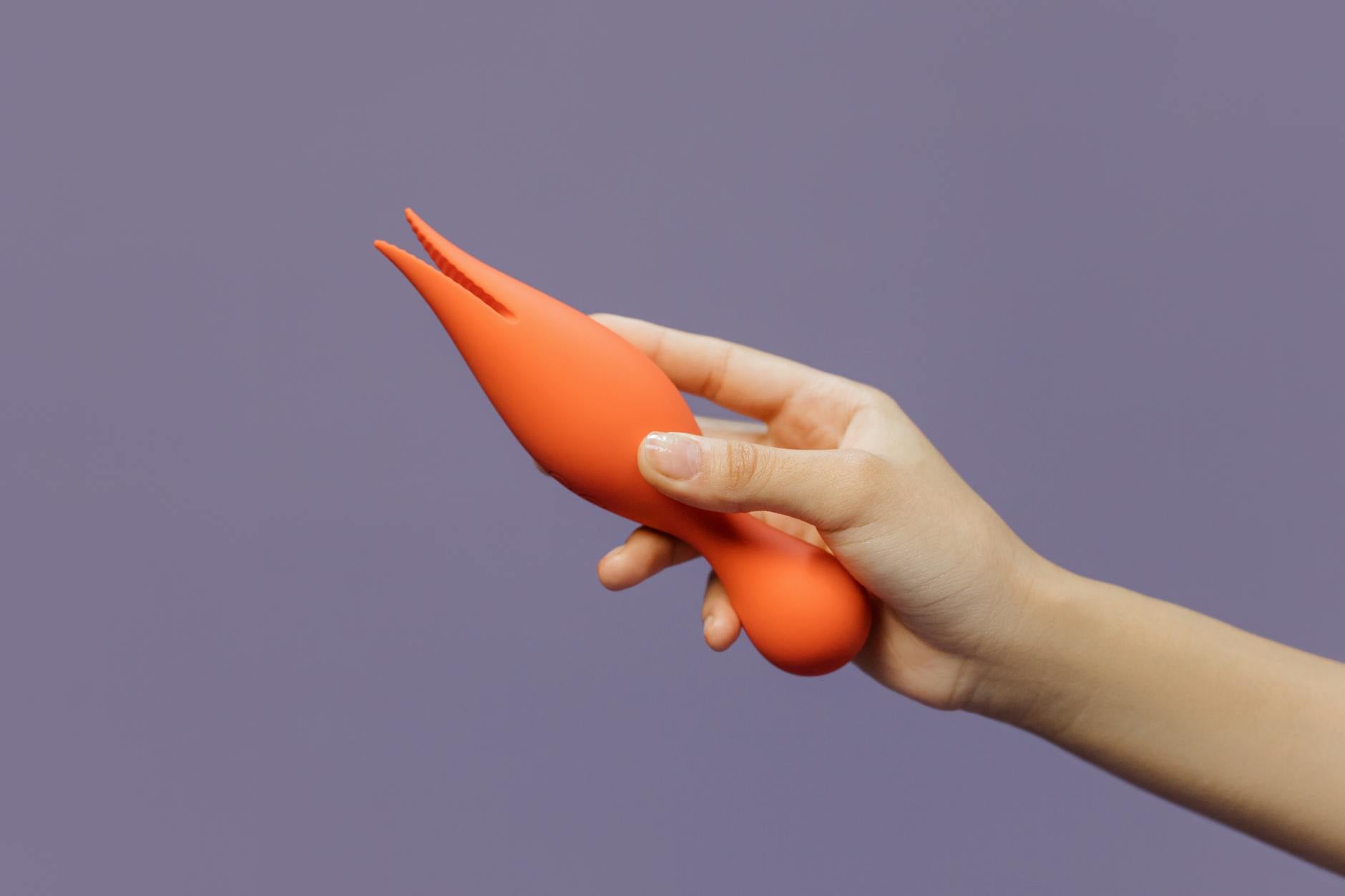
How to Use a Lemon Vibrator When Lubrication Changes After Menopause
Let's be real. If you've hit menopause and noticed that your body isn't producing lubricant the way it used to, you're not broken. You're experiencing one of the most common, most treatable side effects of hormonal shift. And if you've been using a lemon vibrator or thinking about getting one, you're asking exactly the right question about how your pleasure device works with your changing body.
The drop in estrogen that defines menopause directly affects vaginal tissue. That tissue becomes thinner, less elastic, and produces less of its own lubrication. It's a straightforward physiological fact. What's less talked about is that this change doesn't end your ability to have pleasure, have orgasms, or enjoy a lemon clitoral vibrator. It just means you're working with different conditions, and that requires a slightly different approach.
What Actually Happens to Lubrication During Menopause
Before menopause, estrogen keeps vaginal tissue thick and vascular. That tissue naturally secretes lubrication when you're aroused. During menopause, estrogen levels drop by up to 90 percent. The tissue thins. Blood flow decreases. Lubrication production slows dramatically. For some people, this shift is subtle. For others, it's noticeable from day one.
Here's what doesn't change: your clitoris. Your nerve endings. Your brain's capacity to feel pleasure and have orgasms. The neural pathways for arousal remain intact. This distinction matters because a lot of menopausal people assume that if lubrication changes, arousal is broken. It isn't.
The practical reality is that your body may take longer to self-lubricate during arousal, or you may need additional lubrication for penetration or external friction. That's a logistics problem, not a pleasure problem. And logistics have solutions.
Why Lemon Vibrators Work Differently on Menopausal Bodies
A lemon clitoral vibrator like the Lem works through suction and pulsing sensation rather than direct friction. That matters now because your tissue is more delicate. Traditional vibrators that rely on pure vibrational intensity can feel too intense or even uncomfortable against thinner tissue. The suction-based design of many lemon vibrators creates a gentler, more distributed sensation that most people with menopausal bodies find more comfortable and often more effective.
The suction mechanism also doesn't depend on the body producing its own lubrication to feel good. You can add external lubricant if you want, but you're not racing against drying sensations the way you might with a friction-based toy. That gives you more control and more consistency in your experience.
The Lubrication Question: Internal vs. External
You have three real options here, and they're not mutually exclusive.
Option one: Work with natural lubrication. Some people find that once they're properly aroused, their bodies still produce plenty of lubricant for external clitoral stimulation with a lemon vibrator. If that's you, you don't need to add anything. You're good.
Option two: Add external lubricant. This is the most common solution and honestly the simplest. Water-based lubricant works with any toy material. Silicone-based lube feels richer and lasts longer, but it can degrade silicone toys over time, so stick with water-based unless your lemon vibrator is made of glass or stainless steel. Apply it to your vulva or the toy, or both, before you start.
Option three: Combine arousal time with external lube. Budget 15 to 25 minutes for warm-up. Use your hands, partner stimulation, or mental focus to get genuinely aroused. Then add a small amount of lubricant and introduce your lemon clitoral vibrator. This approach often feels most natural because you're combining both your body's response and external support.
How to Use Your Lemon Vibrator With Changed Lubrication
Start lower than you think you need to. If you're used to running your lemon vibrator at pattern five or intensity level three, begin at pattern one or two. Menopausal tissue is more sensitive to direct pressure, and you want to work your way up gradually. You're not starting over. You're just recalibrating.
Apply lubricant generously. More than you think you need is usually right. Lubrication reduces friction, which reduces irritation. It also makes the sensation feel less abrupt. You're essentially creating a smoother glide for the sensation, even though suction-based lemon vibrators don't rely on that as much as friction toys do.
Warm up your tissue first. Spend time on your external clitoris before going internal, if you're combining internal and external play. Direct the suction to the visible clitoral area initially. Once tissue is warmed and engorged, you can explore different patterns and intensities more comfortably.
Pay attention to how patterns feel differently now. Some people find that patterns with longer pulses feel better on menopausal tissue than rapid vibrations. Others prefer steady suction over pulsing. You're the expert on your own body now. Give yourself permission to experiment over three to five sessions before deciding a pattern doesn't work for you.
Managing Irritation and Discomfort
If you feel irritation after using a lemon vibrator, you're likely experiencing friction sensitivity. This is common and fixable. Stop using the toy for a few days and use a gentle moisturizer on external tissue. If you want to continue playing, increase your lubrication significantly next time. You may also need longer warm-up.
If discomfort happens during arousal and seems localized to your vaginal opening or deeper inside, that's different and worth mentioning to your doctor. Genitourinary syndrome of menopause (GSM) is treatable with topical estrogen cream that has minimal systemic absorption. Many people see improvement within two to four weeks. This isn't failure. It's just identifying a specific condition that benefits from medical support.
The Emotional Piece Nobody Talks About
Menopause lands alongside other life shifts. You might be dealing with relationship transitions, body changes, aging conversations you didn't expect, grief, or just the accumulated weight of time. If your desire or pleasure feels flat, before you assume it's hormonal, check in with yourself. Is it actually your body? Or is it your brain carrying something heavy?
This is where working with a partner or exploring pleasure solo on your own timeline matters. Reintroducing yourself to your body with a lemon clitoral vibrator can be a form of reconnection, not a workaround. You're learning what your body enjoys now. That's different from what it enjoyed before. Different doesn't mean worse.
Lube Types and How They Work With Lemon Vibrators
Water-based lubricants are the safest bet for most lemon sexual toys. They're compatible with all toy materials, they wash off easily, and they're absorbed gradually by tissue. Glycerin-free versions are gentler if you're prone to yeast infections. Apply as needed during the session, which is easy because water-based lube feels light.
Silicone-based lubes last longer and feel thicker, which some people prefer. They're brilliant for extended sessions or partnered play where you need lubrication that sticks around. But silicone can degrade silicone toys, so check your lemon vibrator's material before using. If it's silicone, stick with water-based.
Hybrid lubes (part water, part silicone) split the difference. They last longer than water-based but won't damage silicone toys as aggressively. They're worth trying if you want the best of both worlds.
When to See a Doctor
If lubricant changes are your only symptom and adding external lube solves the problem, you don't need medical intervention. You're managing it. If lubrication drops so dramatically that even generous external lubrication doesn't help, or if you're experiencing pain, that's worth a conversation with a gynecologist or menopause specialist. Topical estrogen cream can change things quickly, and you deserve that support.
Building Confidence in Your Menopausal Body
Your menopausal body can absolutely enjoy a lemon clitoral vibrator. The experience might be different from what you remember, but different is information, not rejection. You're learning your pleasure topography all over again. Some people report more intense orgasms post-menopause. Others find deeper clitoral sensation. Many describe feeling less distracted by hormonal cycling and more present in their own experience.
Use your lemon vibrator as a tool for that reconnection. Notice what works. Adjust without judgment. Your pleasure matters, and your body's new way of expressing it deserves attention, respect, and honestly, curiosity. You've earned both.
People Also Ask
Does menopause permanently affect my ability to use clitoral vibrators?
No. Lubrication changes, tissue thickness changes, arousal timing might shift. But your clitoral nerve endings remain intact, and the capacity for pleasure persists. Many people use lemon clitoral vibrators successfully throughout and well after menopause. It's an adjustment, not an ending.
Can I use a lemon vibrator if I'm already using vaginal estrogen cream?
Yes, absolutely. In fact, many people find that combining topical estrogen therapy with external lubrication and a well-designed lemon vibrator gives them the best results. Estrogen cream thickens tissue over weeks. Lubricant provides immediate relief. Your vibrator does what it always does. They work together.
How much external lubricant do I actually need?
More than feels intuitive is often right. Start with a dime-sized amount on your vulva and a similar amount on the toy. Add more as needed during the session. Lubrication shouldn't feel sloppy, but it should feel genuinely slick. If you're reapplying midway through, that's normal and fine.
Is it normal to need lubricant when I'm aroused?
During menopause, yes. Your body may not self-lubricate the way it did before, even if you're genuinely aroused. This doesn't mean you're not aroused. It means your estrogen levels have shifted and tissue is producing less lubrication naturally. Adding external lube acknowledges that reality, not a failure of arousal.
Will using lubricant desensitize me over time?
No. Lubricant reduces friction, not sensation. It actually helps you feel more because you're not working against irritation or discomfort. If anything, proper lubrication lets you explore higher intensities on your lemon vibrator because friction pain isn't competing with pleasure.
Should I use different lubrication for different lemon vibrator patterns?
Not necessarily. A single water-based lubricant works fine across all patterns and intensities. If you find that rapid patterns feel drying faster, you might reapply between patterns or choose a silicone-based lube that lasts longer. But most people stick with one trusted lubricant throughout their session.
The Bottom Line
Menopause changes lubrication. It doesn't change your right to pleasure or your body's capacity to experience it. A lemon clitoral vibrator is still an excellent tool for exploring what your body enjoys at this stage of your life. You may need to add lubricant. You may need longer warm-up. You may need to explore different patterns. All of that is information, not obstacle. Use it to build a relationship with your pleasure that's grounded in how your body actually works now, not how it used to work. That's where the real transformation lives.
If you're navigating multiple changes at once, or if you're working through this with a partner, consider reaching out for support. How to Use a Lemon Vibrator When Your Partner Doesn't Understand Your Pleasure Needs walks through communication strategies that matter at any life stage. And if you're recovering from surgery or medical intervention, How to Use a Lemon Vibrator After Surgery While Your Body Heals covers that specific terrain.
Your pleasure evolves. Your tools can evolve with it. That's not compromise. That's wisdom.