Let's start with the real conversation
Honestly? Surgery changes your relationship with your body. Whether it's gynecological, abdominal, or something that affects pelvic floor function, post-operative healing comes with sensations you didn't anticipate. Numbness. Hypersensitivity. Areas that used to feel good now feeling tender or completely absent. For a lot of people, that triggers panic: "Will this ever come back?"
It does. But it takes patience, the right approach, and tools specifically designed for sensitive healing tissue.
What happens to sensation after pelvic and abdominal surgery
Surgery involves cutting through nerves. Even minimally invasive procedures wake up nerve endings that have been disrupted. This creates a predictable sequence: immediately post-op you feel mostly numb (thank surgical anesthesia), then around week 2-4 things get hypersensitive as nerves start firing again, then gradually sensation normalizes over weeks to months.
The clitoral area is particularly nerve-dense. If your surgery touched the pelvic region at all—even peripherally—you'll feel the aftereffects there first. Gynecological surgery (hysterectomy, fibroid removal, endometriosis excision), C-section, abdominal surgery, even some hernia repairs can alter how your body responds to touch.
Here's what actually matters: nerves regenerate. It's slow. It's nonlinear. But it happens.
Why clitoral vibrators specifically help post-surgery healing
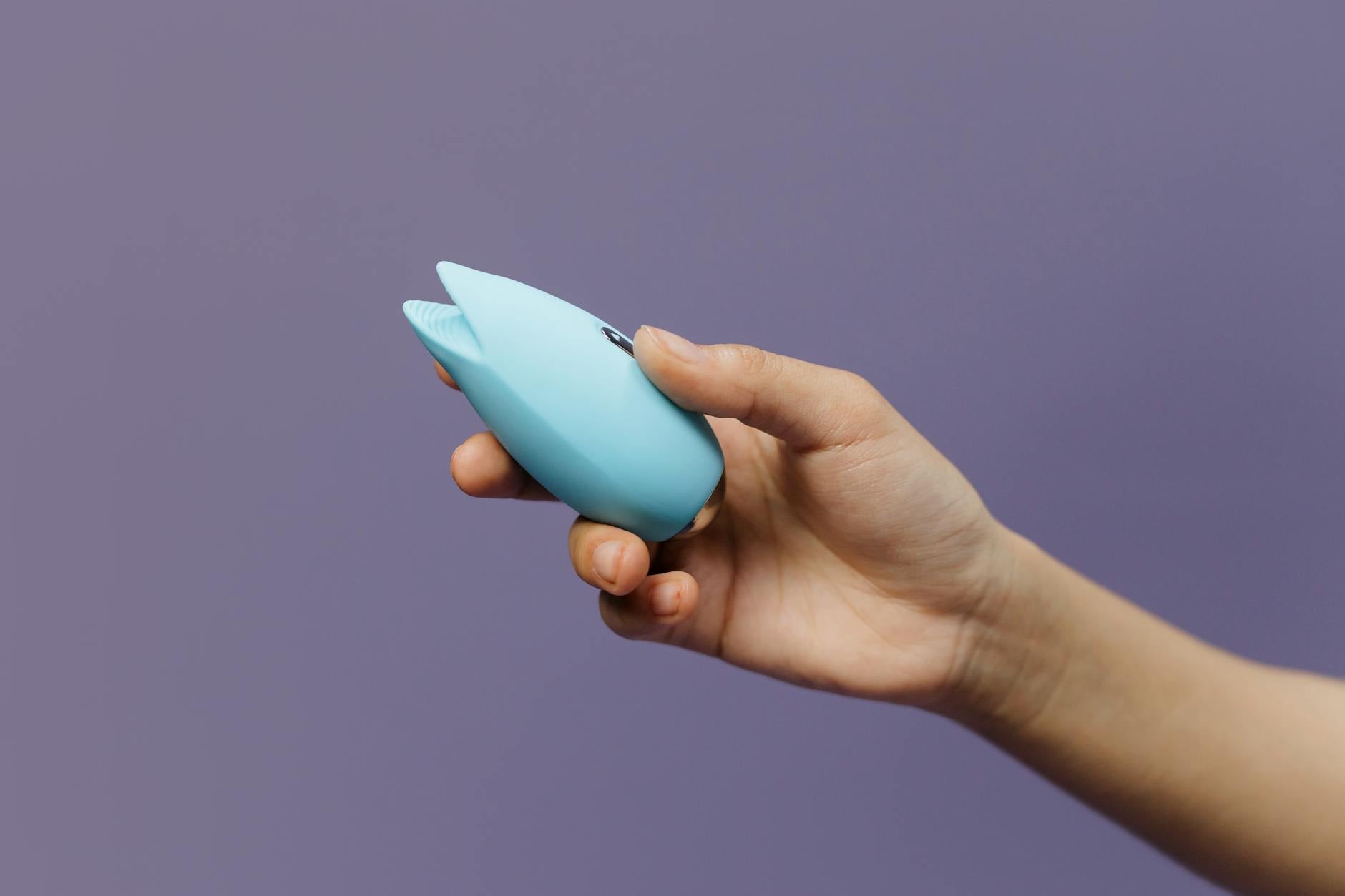
Three reasons a tool like a Lemon clitoral vibrator matters more during recovery than during baseline pleasure:
Vibration bypasses numbed skin. When tissue is healing, the top layers feel dead. Vibration penetrates deeper and reaches nerve endings that surface-level touch can't reach. It's not rougher—it's smarter. It wakes up sensation that exists underneath the numb zone.
Consistent stimulation trains nerves. Nervous system recovery isn't passive. Repeated, gentle stimulation in a controlled way helps your brain and body map sensation again. You're essentially teaching your nervous system: "This area is safe, this area can feel." A vibrator gives you that consistency every time.
Air-suction technology doesn't require direct pressure. If you're using a suction-based lemon vibrator, it creates gentle negative pressure rather than direct friction. This matters hugely post-surgery because tender tissue can't handle the mechanical pressure of traditional vibrators. Suction feels like a pulling sensation instead of friction, which is radically different for healing skin.
The post-surgery timeline and when to start
Clear this with your surgeon first. Full stop. Most gynecologists will say wait 4-6 weeks before any internal penetration, and 6-8 weeks before anything involving the surgical site directly.
But external clitoral stimulation? That timeline is often faster because you're not disrupting internal healing. Ask specifically: "Can I use external clitoral stimulation at week 3?" Most will say yes by week 4, especially if you're being gentle.
Week 1-2 post-op: Don't touch anything. Your job is sleep and healing.
Week 3-4: Check in with your surgeon. Light external stimulation might be cleared. Start with your hands first. No vibrators yet. Just temperature and gentle touch. This tells you what's still numb versus what's waking up.
Week 4-6: If cleared, introduce a vibrator on the lowest setting. Use it for 2-3 minutes max. The goal isn't orgasm. It's sensation mapping.
Week 6+: As sensation returns and tenderness fades, increase duration and intensity gradually.
How to actually use a lemon vibrator post-surgery
Start lower than you think. If your Lemon clitoral vibrator has settings 1-5, begin at setting 1. You'll feel like you're barely stimulating anything. That's correct. Post-surgery nerves are like infants; they need gentle introduction to sensation.
Session structure: Five minutes maximum, 3-4 times a week. Not daily. Your nervous system needs recovery time between exposures. You're building a habit of safe sensation, not chasing pleasure yet.
Position matters. Lie on your back or reclined. Avoid positions that put pressure on the surgical site. If your surgery was abdominal, side-lying might feel better. If it was gynecological, back and reclined are usually safest.
Use water-based lubricant even if you don't think you need it. Post-operative tissue is often drier than baseline because hormones are still settling and blood flow is reallocating toward healing. Lubricant reduces friction and makes the sensation feel more diffuse and less intense.
Focus on external stimulation only. The clitoral head, the areas around it, the upper vulva. Avoid anything internal, anything that requires spreading, anything that asks your pelvic floor to engage while you're still healing.
Signs you're pushing too hard (and how to dial back)
Post-operative hypersensitivity can feel intense. You might interpret intensity as progress. Sometimes it is. Sometimes it's your body saying "too much, too soon."
Warning signs: sharp pain (not pressure, not mild tenderness—actual sharp pain), increased swelling after a session, itching or burning that lasts hours afterward, any discharge that changes color or smell.
If you hit any of those, stop. Go back to where you were a week ago. Healing isn't linear, and pushing through pain doesn't build resilience, it builds scar tissue.
Mild tenderness right after using a vibrator? That's normal. It should fade within 30 minutes. Persistent tenderness the next day means you went too intense.
Rebuilding sensation when numbness lingers
Some surgical sites stay numb for months. That's not a failure. That's healing taking its full time.
If you're at week 8 and areas still feel absent, you're in the retraining phase. This is where a Lemon clitoral vibrator becomes genuinely therapeutic. The key is variety: change where you're stimulating, change the pattern, change how long you use it. Your nervous system responds to novelty. Same stimulation in the same place every time can trigger habituation, where sensation fades because your nerves get bored.
Rotate between different spots around the clitoris. Try the vibrator at different times of day—morning, afternoon, evening—because your nervous system's responsiveness shifts throughout the day. Some days sensation will snap back in a way it hasn't for weeks. That's your nervous system healing. Those days matter more than the flat ones.
Emotional reconnection matters as much as physical sensation
Post-surgery, a lot of people feel disconnected from their body. Surgery is an assault on that connection. Your body got cut open, rearranged, stitched back. It makes sense that touching yourself feels weird, or sad, or like you're checking in on a stranger.
Use the vibrator as a ritual of reconnection, not just sensation recovery. Set aside time. Light a candle if that's your thing. Touch the surrounding skin gently before you use the vibrator. You're saying to your body: "I see you. I know you've been through something. I'm here."
That psychological piece accelerates healing more than you'd think. Your nervous system is listening to your mindset. Anxiety around the surgical site slows sensation recovery. Gentle curiosity accelerates it.
When to check in with a pelvic floor specialist
If you're past 12 weeks and sensation still hasn't meaningfully returned, or if pain persists when it should have faded, a pelvic floor physical therapist is your next step. They can assess scar tissue, check your pelvic floor tension, and offer manual therapy that vibrators alone can't provide.
Similarly, if sensation returns unevenly—one side of the clitoris is numb and the other is hypersensitive—that's worth checking out. It usually resolves on its own, but sometimes indicates nerve compression that benefits from PT intervention.
FAQ
How long after surgery can I use a clitoral vibrator?
Check with your surgeon for your specific case, but most gynecologists clear external clitoral stimulation around week 4-5 if healing is on track. Internal use typically waits until 6-8 weeks. Start on the lowest setting with short sessions (2-3 minutes) and increase gradually as sensation returns.
Will using a vibrator after surgery cause complications?
No, as long as you're cleared medically and you're being gentle. Vibration doesn't disrupt healing tissue the way friction or penetration might. Water-based lubricant and low intensity further minimize risk. If your surgeon hasn't cleared you yet and you want to try, ask specifically about external stimulation.
Why does my clitoris feel numb months after surgery when the rest of me feels fine?
The clitoral area is densely innervated, meaning more nerves mean more potential for post-surgical nerve disruption. Healing is also slower in highly sensitive tissue. It can take 3-6 months for full sensation to return. Consistent gentle stimulation helps speed this process.
Can I have an orgasm after surgery, or should I avoid it?
Orgasm is fine, once sensation returns enough to achieve it. Don't chase it in early recovery—your job is sensation mapping, not pleasure yet. Once you're 8+ weeks out and sensation is returning, orgasm is safe and can actually feel therapeutic. It increases blood flow to the area and reinforces neural pathways.
Is it normal if using a vibrator after surgery feels weird or emotional?
Completely normal. You're touching an area that's been through trauma. That can bring up sadness, grief, or disconnection. That's not a reason to stop. Keep going gently. The emotional part matters as much as the physical part. You're rebuilding a relationship with your body.
What if sensation returns unevenly, like one side feels normal and the other side is still numb?
Asymmetrical sensation is common post-surgery and usually resolves within a few months as nerve healing completes. Focus gentle stimulation on the numb side to encourage faster reinnervation. If it persists past 6 months or worsens, a pelvic floor physical therapist can assess for nerve compression or scar tissue that needs attention.
The long view
Post-operative numbness feels permanent when you're in it. It isn't. Your body is rebuilding its nervous system connections. With patience, the right tools—like a Lemon clitoral vibrator designed for sensitive tissue—and genuine curiosity about your own healing, sensation comes back.
It might not come back exactly as it was. Sometimes post-surgery sensation is actually more refined, more nuanced. You've reset your nervous system. That can be a gift if you approach it gently.
If you have questions about your specific recovery or want personalized guidance, reach out to us. We're here to help you rebuild pleasure safely.
Sources & References:
- Pelvic Health and Rehabilitation Center. (2024). Nerve Recovery After Pelvic Surgery.
- American Physical Therapy Association. Pelvic Health Special Interest Group guidelines on post-operative sensory recovery.
- Petros, P., & Richardson, P. (2022). Post-hysterectomy sensation changes: A longitudinal study. Journal of Pelvic Pain, 8(3), 145-161.