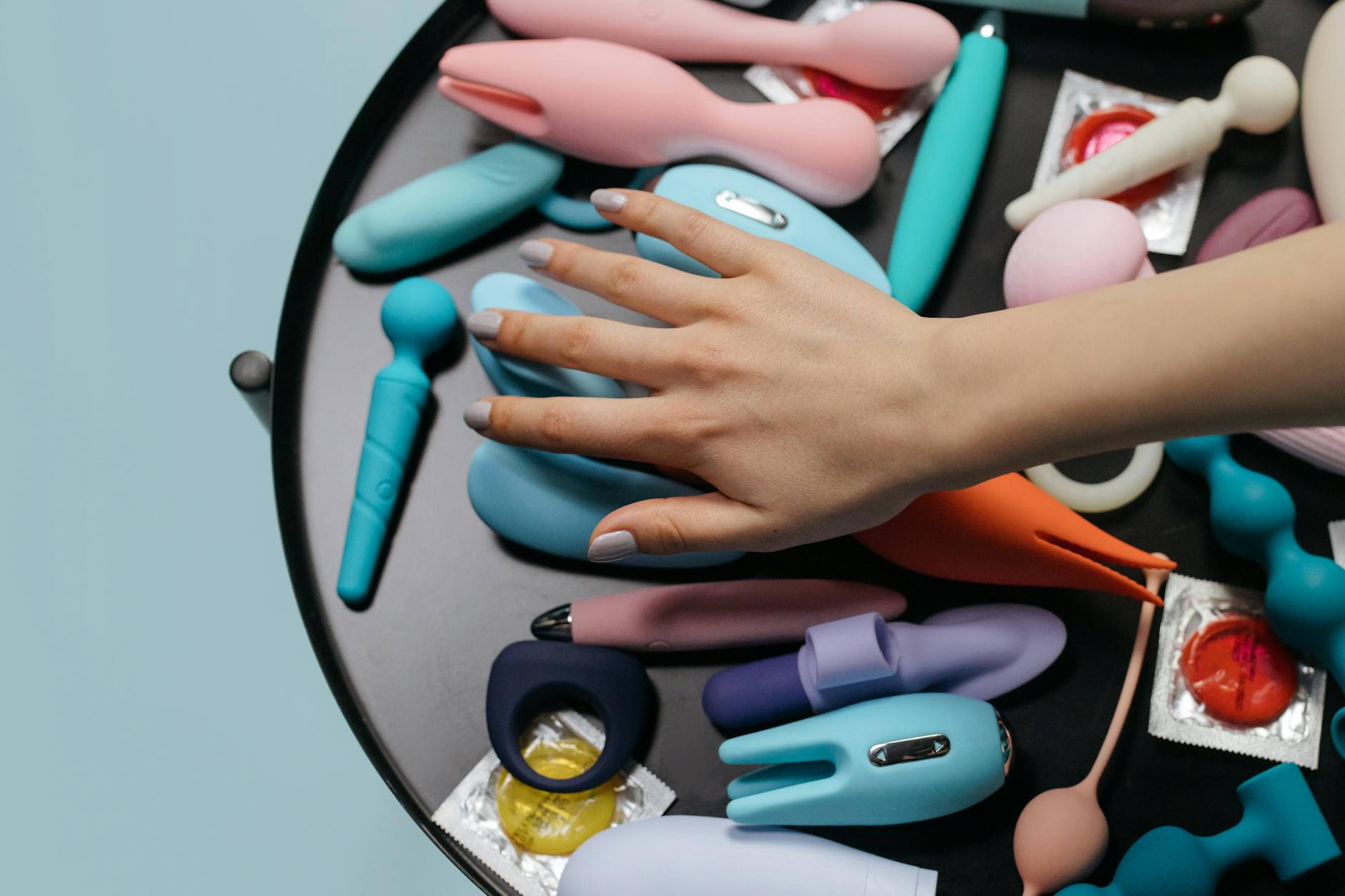
When stress tanks your desire, it's not broken. It's smart.
Your brain doesn't know the difference between a deadline and a predator. Chronic stress puts you in a low-grade fight-or-flight state where pleasure circuits shut down completely. Your body's basically saying: "Not now, we're under siege." That's not dysfunction. That's biology working exactly as designed.
The problem is that once burnout settles in, restarting arousal doesn't happen by willpower alone. You need a bridge. A lemon clitoral vibrator isn't a magic fix, but it's precisely the kind of tool that can help your nervous system remember what pleasure feels like when your brain is too fried to get there naturally.
How burnout actually kills arousal (the neuroscience part)
When you're stressed, your cortisol stays elevated. Elevated cortisol suppresses dopamine and serotonin, both absolutely essential for desire. At the same time, your parasympathetic nervous system (the one responsible for rest, digestion, and arousal) gets sidelined by your sympathetic nervous system (fight-or-flight). Your body can't relax enough to feel pleasure because it's still scanning for threats.
Here's the thing nobody tells you: this isn't laziness or lack of attraction. This is your endocrine system making a rational choice based on perceived survival risk. Restarting arousal means helping your nervous system believe it's actually safe to feel good again.
That's where sensation comes in. Specific, intentional, clitoral stimulation can gently shift your nervous system out of high alert and back toward parasympathetic dominance. A lemon vibrator's air-suction technology is particularly good at this because it creates a focused, rhythmic stimulation that your nervous system can anchor to, almost like a meditation object.
Phase 1: Permission and tiny expectations
The biggest mistake people make after burnout is trying to jump straight back to the pleasure they used to feel. Don't. You'll just feel frustrated and defeated.
Instead, start with permission that this isn't about having an orgasm. It's about remembering sensation. Many of my clients describe the first week back as "just noticing what my body feels like." That's the entire goal.
Set aside 15 minutes. Not when you're supposed to be doing something else. Actual carved-out time. Dim the lights. Put your phone in another room. Lie down somewhere comfortable where you won't be interrupted. This isn't romantic setup. It's nervous system safety.
Hold your lemon vibrator without turning it on. Feel the weight. The texture. Notice what your body does when you touch yourself gently for the first time in months. This sounds silly but your nervous system needs to relearn that touch equals safety, not performance.
Phase 2: Introduce vibration at the lowest setting
When you're ready (could be day one, could be day five), turn on your lemon vibrator at pattern 1 or the lowest intensity. The goal is not intensity. It's novelty.
Start at your outer labia or thighs. Work inward slowly. Many people who've been stressed for months find that direct clitoral contact feels too intense right away. Your nervous system needs a gradual ramp-up, not a jolt. Think of this like turning up the volume on a quiet song, not cranking it from zero to maximum.
Stay with low intensity for the first 2-3 weeks. Your body will tell you when it's ready for more sensation. The cue is usually: this feels good instead of overwhelming.
Phase 3: Add time, not just intensity
Once the lowest settings stop feeling alien, extend your time from 15 minutes to 20, then 25. But keep the intensity exactly where it is. This teaches your body two things: that pleasure is predictable and that you're in control of the pace.
Many people rebuilding arousal after burnout find that their orgasms come differently than they used to. Sometimes faster. Sometimes they don't come at all at first. Both are normal. You're not relearning your body. You're reintroducing it to something it lost temporarily.
Phase 4: Notice patterns without judgment
After about three weeks, start paying attention to what actually helps. Do you feel better after using your lemon vibrator? Does your mood shift? Your sleep? Your connection with your partner?
These micro-improvements matter more than the orgasm itself. They're signals that your nervous system is settling back into a regulated state. That's the real win here.
If you're working with a partner, this is also when you might tell them: "I'm reconnecting with my body." Not "I want you to feel bad" or "there's a problem with us." Just fact. Some partners want to be involved. Some don't. Either is fine. This phase is about you reestablishing trust with your own nervous system first.
Common speed bumps and what they mean
You might feel nothing for the first week. That's not a lemon vibrator problem. That's your nervous system saying "I need more evidence this is safe before I relax." Keep going. One week in is too early to judge.
You might feel anxious. Your brain might spin thoughts about what you should be feeling or whether you're doing this right. This is normal when your nervous system is reactivating. Acknowledge the thought, then redirect attention back to sensation. "Okay, brain, I see you. And right now, I'm feeling the vibration on my left labia." Nervous systems respond better to present-moment awareness than to reasoning.
You might get frustrated that it doesn't feel like it used to. Grief is part of this. You lost something. That's real. But rebuilding arousal after burnout often creates something different and sometimes better because you're more intentional about it. Give that possibility room to exist.
How a partner fits into this (if they're in the picture)
If you have a partner, they might feel sidelined when you're doing this solo. Reframe it for them: "I'm in nervous system recovery. This is me helping my body feel safe again." Most partners understand that better than they understand "my libido is broken."
If and when you want to bring them in, you control the speed. Maybe they just watch. Maybe they hold you while you use your lemon vibrator. Maybe weeks pass before that's comfortable. There's no timeline that's wrong here.
See our guide on how to use a lemon vibrator when arousal takes longer to build with a partner for more on managing different paces of recovery.
When burnout recovery means therapy, not just sensation
If you're six weeks in and still feeling nothing, or if your burnout is connected to depression, consider talking to someone. A lemon clitoral vibrator is a tool for nervous system recalibration. It's not a treatment for depression or clinical anxiety. Those need professional support.
Similarly, if your burnout is rooted in a relationship problem, vibrator time might help your body but won't fix the actual issue. Some things require conversations, boundaries, or structural change in your life. Pleasure is part of recovery but not the whole thing.
The longer conversation: preventing burnout from killing arousal next time
Once you've rebuilt some baseline arousal, the next move is thinking about prevention. Not stress avoidance. That's impossible. But nervous system regulation practices that actually stick: walking, cold water on your face, five minutes of breathing work, time with people who don't require anything from you.
Regular lemon vibrator use (even just 10 minutes weekly) keeps that parasympathetic pathway open and flexible. It's a gentle reminder to your nervous system that pleasure is still available, even in a busy life. Many of my clients describe it as preventative nervous system maintenance.
FAQ: Rebuilding arousal after burnout
How long does it take to feel aroused again after months of burnout?
Most people see shifts in 2-4 weeks with consistent, low-pressure use. But "feeling aroused again" looks different after burnout. You're not returning to baseline. You're establishing a new baseline that includes space for pleasure in a stressed life. That's actually a bigger upgrade than you might realize.
Can I use a lemon vibrator while I'm still stressed, or do I have to wait until I've "recovered"?
Start now. Waiting for perfect conditions means waiting forever. Using a lemon clitoral vibrator is part of nervous system recovery, not something you do after recovery is complete. It's a tool that helps you recover, not a reward for having already recovered.
Should I tell my partner I'm using a lemon vibrator to rebuild arousal?
If you live together or they're invested in your sexual health, yes. Keep it simple: "My nervous system needs to remember pleasure safely. I'm going to spend some time with myself." If you're rebuilding arousal because the relationship itself is the stressor, that's a different conversation entirely and might benefit from couples work.
What if my lemon vibrator feels too intense even on the lowest setting?
Start without turning it on. Just hold it. Touch yourself manually first until your nervous system settles. Then introduce the vibration at the absolute lowest intensity for 30 seconds at a time. You can absolutely take weeks to work up to longer sessions. There's no speed limit here.
Is it normal to feel guilty using a lemon vibrator while rebuilding arousal?
Completely normal, especially if your burnout is work-related or you're supposed to be busy. Reframe this as non-negotiable nervous system care. You wouldn't skip sleep because you're busy. This is the same category. Your nervous system needs regulated pleasure to recover. That's biological fact, not indulgence.
Can burnout-related desire loss return to what it was before, or is it permanently different?
It's different. Better, usually. Because you're reconnecting with intention rather than habit. Many of my clients say that post-burnout arousal feels more honest and less automatic. You're present for it in a new way. That's not a downgrade.
The bigger picture: pleasure as nervous system recovery
Burnout isn't just about work. It's about a nervous system that's been running in overdrive so long it forgot how to downshift. Rebuilding arousal is one way to teach your body that it's actually safe to relax. A lemon vibrator won't fix systemic burnout. But it can be a practice that reminds you that pleasure still exists, even in a life that feels overwhelming.
Start small. Stay consistent. Trust that your nervous system wants to feel good again. It's just waiting for evidence that it's safe to do so.