Here's the thing about antidepressant switches
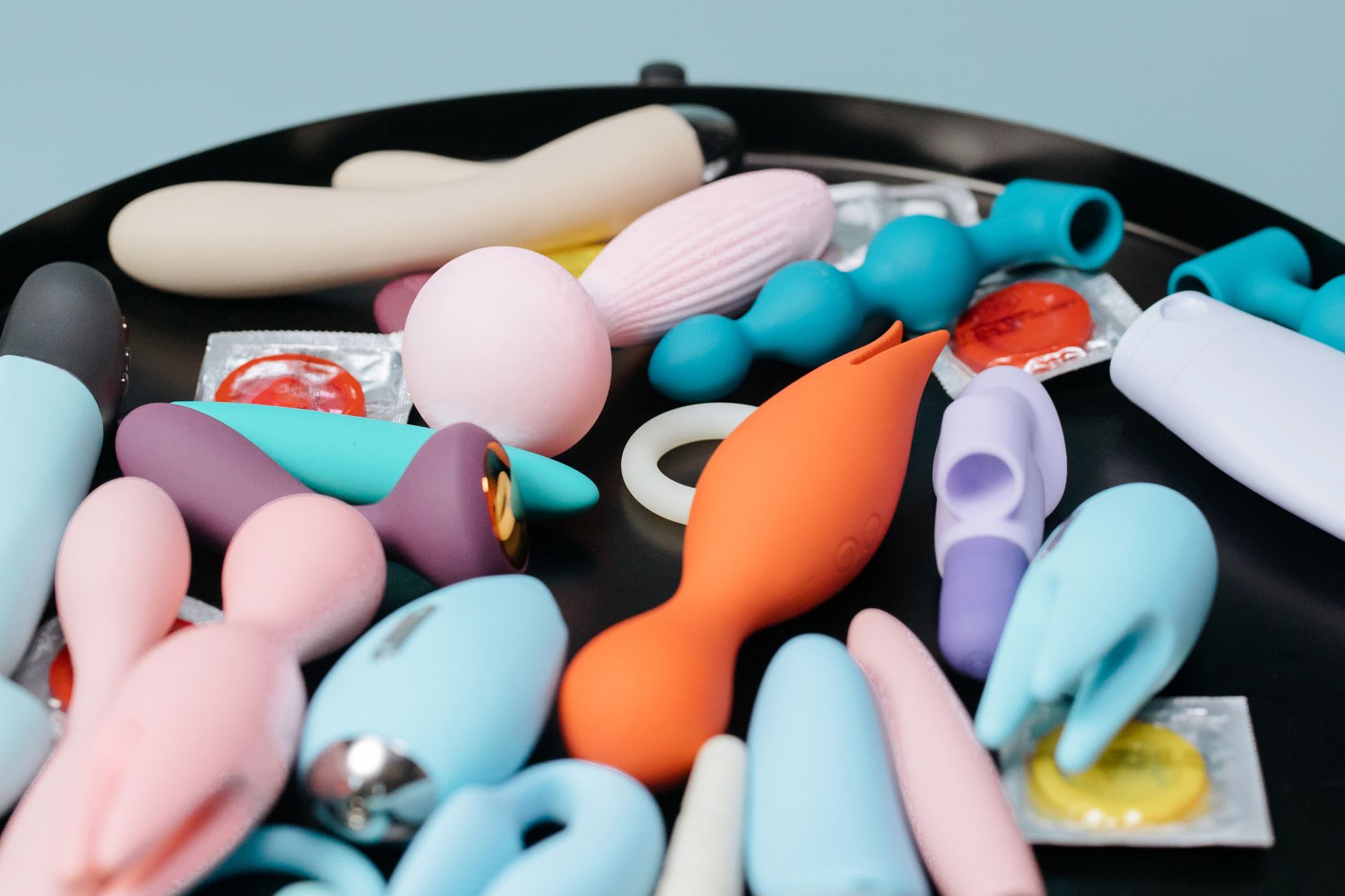
Your lemon clitoral vibrator didn't lose power. Your nervous system changed. When you switch SSRIs, SNRIs, or move to a different class of antidepressant entirely, the brain chemistry that controls arousal, sensation, and orgasm shifts with it. The vibrator still works the same way. Your body's ability to register what it's doing changes.
This isn't a mood thing or a confidence thing. It's neurochemistry. And it's fixable once you understand what's actually happening.
How antidepressants affect sensation
Most modern antidepressants work by changing serotonin, norepinephrine, or dopamine levels. All three of those neurotransmitters have a direct line to sexual response. Here's the chain reaction:
Serotonin (the one SSRIs boost) dampens arousal and orgasm in about 40-60% of people who take them. Higher serotonin can feel great for mood but flatten the urgency and intensity of sexual sensation. You might feel calmer overall and less "driven" toward pleasure.
Norepinephrine (which SNRIs like venlafaxine increase) is supposed to enhance arousal, but too much can trigger anxiety instead. If you're switched to a higher norepinephrine dose, you might feel more jittery and less able to settle into sensation.
Dopamine (the motivation and reward neurotransmitter) controls the pleasure hit from stimulation. Some antidepressants suppress dopamine, which means your clitoral vibrator is hitting the same nerve endings but the "reward" signal your brain receives is quieter.
Your Lemon vibrator is delivering the same suction pattern. Your clitoral nerve endings are still there. But the signal between sensation and pleasure has gotten noisier.
Why switching specifically triggers this
When you've been on one antidepressant for months or years, your body calibrates to it. Your nervous system adapts. Sensation feels normal, even if it's technically different from baseline. You stop noticing the shift.
Then you switch. Your brain chemistry swings. For 2-4 weeks (sometimes longer), you're in a transitional state where the new medication is competing with the old one, or you're in a washout period between them. This is when you most notice the change in how your lemon vibrator feels.
Some people land on the new med and find sensation returns to roughly what it was before. Others stabilize at a genuinely different set point. This isn't failure. It's just information.
The medical conversation you need to have
If your clitoral vibrator intensity has dropped noticeably since switching antidepressants, tell your prescriber. Not your therapist. Your prescriber. This is clinical data, not emotional confession.
Here are three things to mention:
- The timing. "This changed when I switched medications, not before."
- The specifics. "Arousal takes longer to build. Orgasm feels less intense. I'm noticing it with toys I use regularly."
- What you want. "I want to know if this is typical for this medication, or if I should try adjusting the dose or switching to something else."
Your doctor might suggest:
- Dosage adjustment (lower doses sometimes have fewer sexual side effects)
- Timing changes (taking your dose at night instead of morning, or vice versa)
- Adding a booster medication (like bupropion or buspirone) to counteract sexual blunting
- Switching to a different antidepressant class entirely (bupropion, for example, often has fewer sexual side effects than SSRIs)
- A medication holiday (only appropriate for certain antidepressants and only under medical supervision)
These are all legitimate medical moves. Your pleasure matters enough to discuss it directly.
What to do with your lemon vibrator right now
While you're sorting the medication piece, you can adjust how you use your lemon clitoral vibrator. You're not broken. You've just got a different starting point.
Extend your warm-up time. If arousal typically takes you 10 minutes to build, budget 15-20 now. Your nervous system needs more runway before intensity registers.
Start lower on the settings. Most Lemon vibrators have multiple patterns and intensity levels. If you normally use pattern 3 or 4, start at 1 or 2 and work up slowly. Let sensation layer instead of hitting hard immediately.
Use lube. Not because you're wet-less, but because reducing friction lets you feel subtlety better. Water-based lube works beautifully with silicone toys and makes the sensation more diffuse and interesting.
Engage mentally. This sounds woo but it's not. When dopamine is quieter, your mental focus fills the gap. Erotica, fantasy, memory, conversation with a partner. The more attention you're paying, the more sensation registers.
Pair it with other stimulation. If you normally use your lemon vibrator solo, try combining it with touch elsewhere. Neck, breasts, inner arms. Multiple inputs create more signal overall. This is basic neurology.
The timeline for recalibration
Antidepressant sexual side effects don't always stay the same. Many people find that sensation normalizes after 8-12 weeks on a new medication as the body acclimates. Your clitoral vibrator might feel "normal" again without any change at all on your part.
Others find the side effect is permanent at that dose. If you're in that group and you've talked to your prescriber, that's useful information for deciding whether to adjust.
One thing: don't assume you need a stronger vibrator. A lot of people think "my Lemon feels weak, I need something more intense." Usually what's actually happening is that sensation has just quieted temporarily. A different toy won't fix neurochemistry.
The relationship piece
If you have a partner, the conversation about antidepressants and sensation is worth having early and directly. "My medication switched, so my arousal pattern has changed. I'm going to need more warm-up time and we'll probably approach this differently for a bit." That's it. It's not "something's wrong with me" or "I'm less attracted to you." It's just a variable that shifted.
Many couples find that the slow-down actually improves sex. Less rushing. More focus. More discovery. Your lemon vibrator becomes part of a longer conversation instead of a quick solo finish.
When to loop in your therapist
If the sexual side effects are connected to depression returning or anxiety spiking, that's a therapy conversation. "I feel disconnected from pleasure" is different from "my body registers sensation differently." The first is psychological and worth processing. The second is neurochemical and worth adjusting medically.
You can have both conversations in parallel. They're not the same thing and they don't fix each other.
The bottom line
Your lemon clitoral vibrator isn't broken. Your antidepressant switched and your nervous system is recalibrating. This is temporary most of the time, fixable many times, and absolutely worth discussing with your prescriber. You deserve a medication that works for your mood and your pleasure. Both matter.