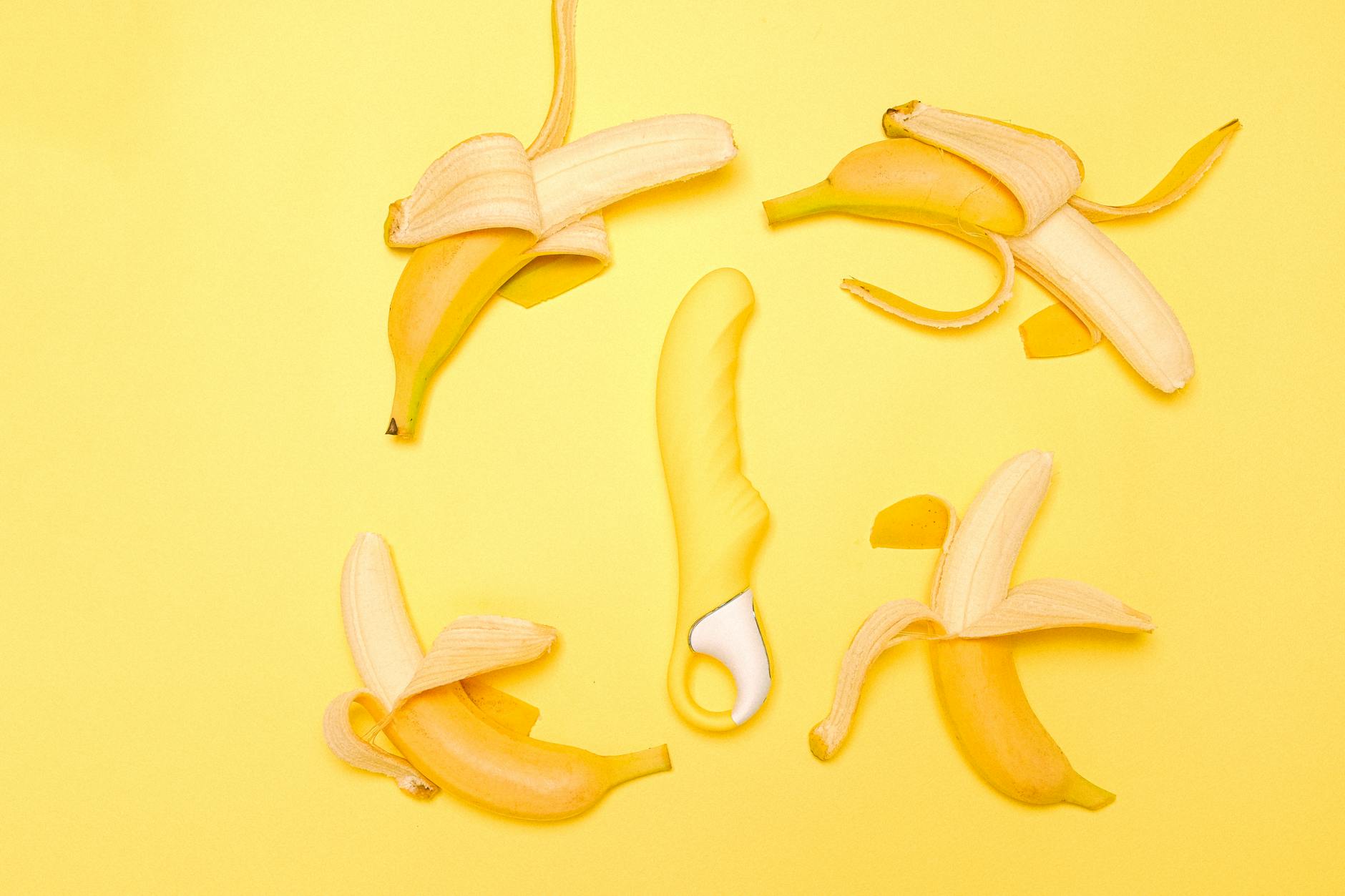
Why Lemon Vibrators Can Dry Out Tissues and How to Prevent It
Let's be real. If you've been using a lemon sucker-style vibrator like the Lem regularly, you've probably noticed that things feel a bit drier afterward. Not always. Not every time. But enough that you've wondered what's going on.
You're not imagining it, and you're not broken. Here's what's actually happening physiologically, and what you can do about it.
How suction changes the tissue environment
When you use a clitoral vibrator that works via suction, you're creating a gentle vacuum around the clitoris and surrounding vulval tissue. That vacuum does two things at once: it brings blood flow to the area (which feels incredible) and it can also draw moisture away from the tissue surface.
Think of it like this. Your vulva naturally produces lubrication, which sits on the tissue surface as a protective layer. When suction pulls blood into the clitoris, it can also pull that lubrication deeper into the tissue or move it around, leaving the outer surface feeling temporarily drier. It's not that your body has stopped producing moisture. It's that the distribution has shifted.
The Lem and similar lemon clitoral vibrators use gentler suction than some competitors, which is part of why people love them. But even gentle suction, repeated over several sessions in a short timeframe, can create that parched sensation.
The frequency factor: back-to-back sessions are the real culprit
Here's the nuance most articles skip: using a lemon vibrator once a day, even five days a week, is unlikely to cause noticeable drying for most people. But using it multiple times in one day, or on consecutive days with minimal spacing, absolutely can.
Why? Because your tissue needs time to rebalance its moisture levels between sessions. If you're using the Lem intensely on Monday evening, then again on Tuesday morning, your body hasn't had time to fully restore its natural lubrication barrier. By the third session in 36 hours, the cumulative effect becomes noticeable.
Your body is not failing. It's just that the recovery window is shorter than most of us expect.
Age and hormonal context matter more than you think
Tissue hydration isn't static across your life. If you're in your 20s or 30s with steady hormone levels, the drying effect from lemon vibrator use tends to be minimal and bounces back fast. Your tissue has more baseline elasticity and water content.
If you're approaching or in perimenopause, the picture changes. Estrogen supports tissue thickness and natural lubrication production. As estrogen drops, the tissue itself becomes thinner and less able to retain moisture. A session with your Lem might create more noticeable drying, and the recovery takes longer.
The same pattern appears postmenopause, though many people find that clitoral vibrators feel different after 40, which sometimes includes a sensitivity to tissue drying that wasn't present before.
If you've been on hormonal contraceptives for years and recently stopped, you might also notice the drying effect more acutely. The hormones were masking some of the baseline tissue changes that now become visible.
Lubrication: the most underrated prevention tool
Here's what most people get wrong about lube and suction vibrators. They think lube is only for penetration or for people with clinical dryness. Not true.
Using a water-based lubricant during lemon vibrator sessions does two things. First, it creates a barrier between the suction and your tissue, buffering the moisture-pulling effect. Second, it makes the suction feel smoother and more intense because there's better contact and slip.
You don't need much. A quarter-sized amount applied directly to the clitoris and surrounding tissue before you start is enough. Reapply halfway through if things feel dry.
Water-based lubes are non-negotiable here because silicone-based lubes can damage silicone toys like the Lem. Stick to brands that are genuinely water-based, not hybrid formulations that include silicone.
The rest and recovery protocol
If you love using your clitoral vibrator frequently, spacing matters. Here's what I tell people:
One session per day is generally fine for most people, even every day. Your tissue adapts and recovers overnight.
Two sessions in one day should be spaced at least 8-12 hours apart, with lubrication at both sessions.
Three or more sessions in 24 hours is the realm of special occasions, not regular rhythm. If you're doing this, use lube before each session and consider a night off afterward to let tissues rebalance.
This isn't about restriction. It's about working with your body's actual recovery capacity instead of against it. How to use a lemon vibrator alone covers pacing strategies if you're exploring frequency and want more structure.
Aftercare isn't optional: what to do post-session
Most people think aftercare means cuddling with a partner. But the tissue-level aftercare matters just as much, especially if you've had an intense or lengthy session.
After you finish, gently rinse the area with warm water. Pat dry gently. If things feel even slightly uncomfortable, apply a thin layer of water-based lube or a fragrance-free moisturizer to the external tissue. Don't overthink this. You're just topping up the moisture barrier that the session may have depleted.
Avoid immediately jumping into a shower or bath, where prolonged water exposure can actually dry things out further. Wait 15-30 minutes, then shower if you want to.
Wear breathable cotton underwear for the next few hours. This gives the tissue air exposure while the moisture barrier reestablishes itself.
These steps sound fussy, but they take maybe two minutes and they make a genuine difference in how you feel the next day.
When drying becomes a sign of something else
If you're noticing persistent dryness that doesn't improve with the strategies above, or if it's accompanied by itching, irritation, or discomfort that lingers for days, something else might be going on.
Certain medications (antihistamines, some antidepressants, hormonal contraceptives) can reduce natural lubrication across the board. Stress and anxiety also suppress lubrication. Yeast infections and bacterial imbalances can create a false sense of dryness that lube won't solve.
If the issue persists, see a gynecologist. You might benefit from a simple topical estrogen cream, especially if you're in perimenopause or postmenopause. Or the dryness might be unrelated to the vibrator at all, and treating the underlying cause will solve it.
Don't assume your body is broken or that you need to stop using the Lem. Dryness after vibrator use is usually just a mechanical side effect that responds immediately to lubrication and pacing.
The bigger picture: pleasure and prevention go together
Your clitoris deserves all the care you'd give any sensitive area of your body. Using a lemon vibrator or any clitoral vibrator is an act of self-knowledge and self-kindness. It shouldn't also create discomfort or require you to troubleshoot afterward.
The strategies here are not compromises. They're optimizations. Lube makes the sensations more intense. Recovery time actually deepens your pleasure by keeping tissue healthy and responsive. Spacing sessions means each one hits differently because your body has fully recharged.
Work with your body, not against it.
FAQ: Your questions answered
Can I use a lemon vibrator every day without drying out?
Yes, for most people, one session daily is fine. The drying effect appears when you're stacking multiple sessions in short windows. If you use your Lem once a day and space out longer sessions, you shouldn't experience noticeable drying. The tissue recovers overnight, especially if you're using lubrication.
Does the drying from lemon clitoral vibrators mean I should switch to a different toy?
Not at all. The drying is a mechanical artifact of how suction works, not a flaw with the Lem or similar toys. Other vibrator styles like wand vibrators create different sensations but don't magically avoid tissue interactions. Lube and pacing solve this without you abandoning the toy you love.
How long does it take for tissues to rehydrate after using a lemon vibrator?
For most people, tissues rebalance within 12-24 hours, assuming you're using lubrication and there are no other complicating factors. You'll notice a difference by the next morning if the dryness was pronounced. If it's lingering beyond 24 hours, that's a signal to extend spacing between sessions or check in with a gynecologist.
Is water-based lube the only option, or can I use something else?
Water-based lube is safest for silicone toys like the Lem. Hybrid lubes and silicone-based options can degrade silicone over time. Oil-based lubes are generally not compatible with silicone either. Stick with water-based. They're affordable, easy to find, and they work.
What if dryness only happens with intense sessions but not gentle ones?
That's actually normal. Intense suction, longer duration, and higher intensity settings pull more lubrication away from the tissue surface. If you notice this pattern, you have options. Use lube during intense sessions specifically. Alternate between intense and gentle sessions across your week. Or keep intense sessions to once or twice weekly with longer recovery spacing.
Can hormonal birth control make the drying worse?
Yes. Some formulations of hormonal contraceptives suppress natural lubrication as a side effect. If you've been on the same method for years and recently started noticing drying, it could be a progressive effect, or it could be that you're becoming more aware of it as you use toys more frequently. Talk to your prescriber about whether a different formulation might help, but don't stop your contraceptive to fix this. The solution is usually lube and pacing, not switching methods.
Your body knows what it needs
The most important thing to understand is that drying after lemon vibrator use is not a pathology. It's information. Your body is telling you something about pacing, hydration, and what works for your tissue at this stage of your cycle and life.
Listen to that information. Use lube. Space your sessions thoughtfully. If something feels off, check in with a gynecologist. And keep exploring what feels good.
Your pleasure matters, and so does the health of the tissue that makes that pleasure possible.