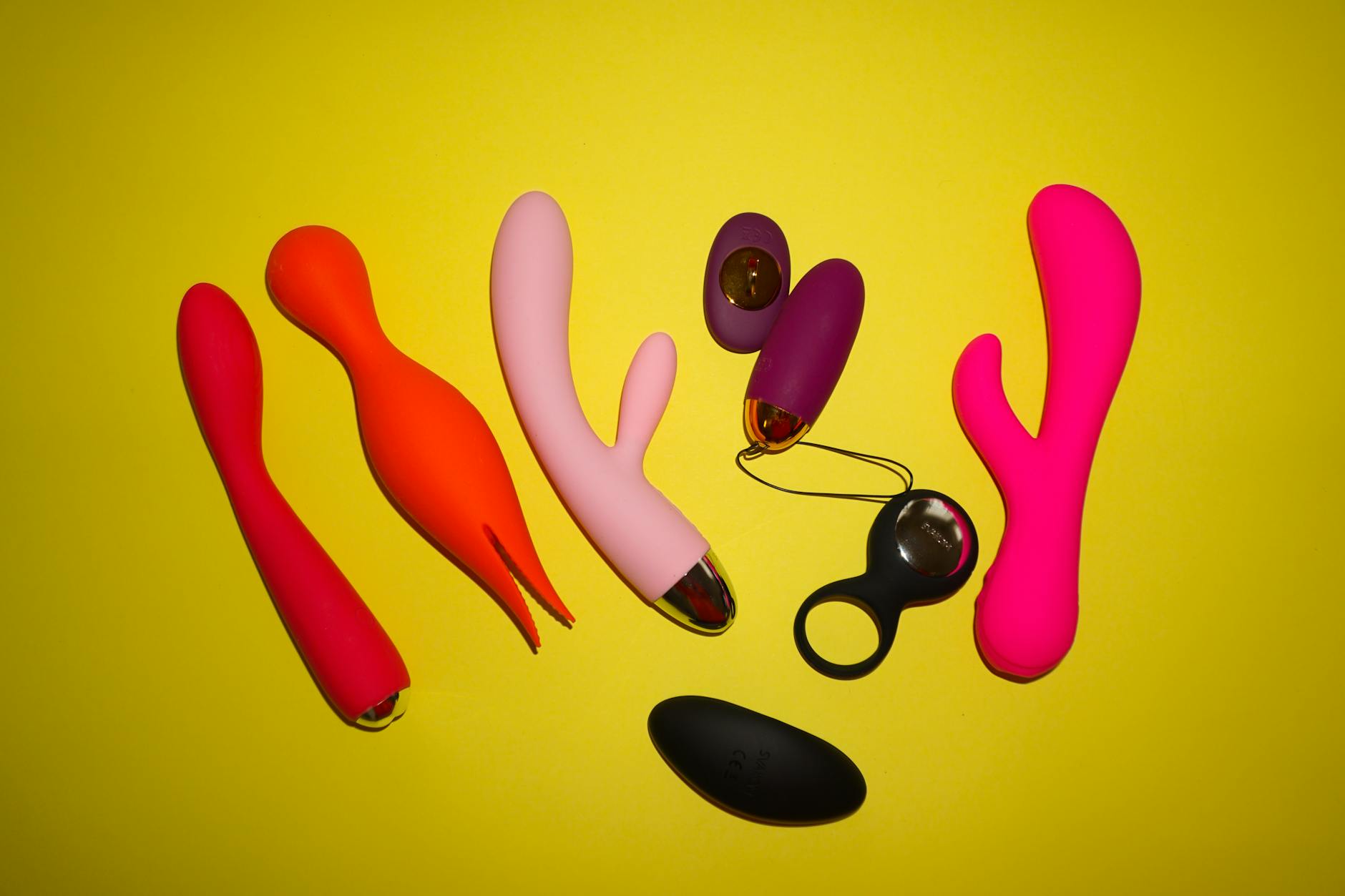
Let's talk about the thing nobody names
You're in bed. Your partner's asleep next to you, or they're out, or you're alone in a way that feels rare and precious. You think about touching yourself. And then immediately, a small voice says: I don't have time for this. I should be doing something else. Is this selfish?
That voice isn't you being responsible. It's guilt, and it's showing up as a barrier to your own pleasure.
Here's the thing: guilt around solo pleasure is wildly common, and it's almost never actually about time. It's about permission. And permission is something you have to actively give yourself.
Where the guilt actually comes from
Raising this means acknowledging something uncomfortable. Most of us grew up in cultures that taught us solo pleasure was either shameful, immature, or something you did when the "real thing" wasn't available. If you had a partner, using a vibrator alone felt like cheating on them. If you didn't have a partner, it felt like admitting you were lonely.
Then there's the productivity guilt layer. You're a parent, you're working, you're managing a household. Self-pleasure lives in this weird zone. It's not productive. It doesn't generate income or solve problems. It doesn't benefit anyone but you. And for people raised to measure their worth by what they do for others, that feels suspicious.
Add a partner into the mix and it gets more complicated. Even if your partner intellectually supports your solo pleasure, there's often an unspoken negotiation happening. If they want sex and you've used your energy on yourself, there's guilt. If they don't want sex and you do, there's guilt about "wasting" your desire on yourself instead of trying harder with them. It's a trap.
The clinical term for this is sexual autonomy shame, and it's rooted in the belief that your pleasure belongs to someone else first.
Why Lemon clitoral vibrators actually help dissolve the guilt
This might sound strange, but hear me out: the right tool changes the equation.
When you use your hand or fingers alone, there's a narrative that easy to slip into. This is gentle. This is innocent. I'm just touching myself. It feels almost excusable because it's "natural." So there's less permission needed. The flip side: it takes longer, your arm gets tired, and it's easy to stop before you finish because, honestly, you feel like you're running the clock.
When you use a lemon clitoral vibrator like the Lem, something shifts. You're using a tool. You're being intentional. You're not just casually touching yourself while checking your phone. You're doing something specific, for a specific reason, with focused time. And that intentionality actually gives you permission.
Here's why: using a vibrator is a commitment. You charge it, you locate it, you get into position. You're signaling to yourself and to your environment that this matters. You're not sneaking pleasure. You're claiming it.
The suction action of a lemon vibrator also means you finish faster, which helps with the time guilt. You're looking at 5-10 minutes of actual stimulation, not 20-30 minutes of effort that leaves you frustrated. That efficiency is real, and it removes one of the big guilt anchors: "This is taking too long and now I feel like I'm hogging time I should be using for my family or my responsibilities."
The permission framework that actually works
Here's what I tell clients who are wrestling with this. Guilt isn't something you logic away. You move through it by changing the narrative you tell yourself before you start.
Try this:
Before you reach for your lemon vibrator, name the permission out loud. "I deserve 10 minutes of pleasure today." Or: "My pleasure matters." Or, if you're feeling salty: "This is mine, and I'm taking it."
This isn't woo. When you hear the words, your nervous system registers them differently than when they stay stuck in your head as competing thoughts. Your brain starts to believe what your mouth says.
Time-box it deliberately. Don't let the session drift. Use your phone timer or an Alexa timer. Set 8 minutes. This removes the anxiety about "how long is too long?" It's not indefinite. You've decided in advance. That's control, and control dissolves guilt.
Don't narrate a story about why you deserve this. This is important. The moment you think "Well, I've worked so hard, I deserve a reward," you've made pleasure contingent on productivity. That's still the trap. Your pleasure doesn't need to be earned. You don't need to have done anything special. You exist. That's enough.
If you have a partner, consider one conversation. Not during sex or intimacy. During coffee or a walk. Something like: "I've realized I'm carrying guilt about solo pleasure, and I want to work on that. It's not about you. It's about me remembering that my pleasure is valid even when you're not part of it." Most people respect this immediately. Some don't. If they don't, that's useful information, and it's separate from whether you deserve to touch yourself.
What happens after the guilt lifts
Once you've used your lemon clitoral vibrator a few times without that running guilt commentary, something unexpected happens. The pleasure gets better. You're not half-present, waiting for someone to need you. You're not checking the clock. You're not narrating yourself as selfish.
You're just there. You're feeling it. And the orgasms that come from genuine presence are a completely different animal than the ones that come from rushing through.
This is also when a lot of people discover that their solo pleasure actually improves their partnered sex. You stop trying to wring pleasure out of situations where it isn't happening. You stop resenting your partner for not providing something you could have accessed yourself. You become more confident about what you like, which makes partnered sex more communicative, more playful, less loaded.
Your solo pleasure isn't stealing from your partner or your responsibilities. It's permission for your nervous system to rest in a different way. It matters.
The practical setup that removes barriers
If guilt is your blocker, half the battle is removing practical friction. Here's the fastest path to claiming your time:
Charge your lemon vibrator the night before and keep it in your nightstand. Don't hide it under seventeen layers. Just keep it accessible. Accessibility signals permission.
Pick a specific time window. Not "whenever I feel like it" which never happens. Try Sunday mornings before your household wakes up, or Wednesday nights after your kid's bedtime, or the lunch hour once a week when you're actually alone. Specificity removes the guilt of "am I doing this at the right time?"
Use your lemon vibrator the same way each time for the first month. Don't experiment wildly. Repetition builds comfort. Your body learns the rhythm. Your brain stops wondering if this is weird or wrong. It just becomes part of your routine, like brushing your teeth.
Don't combine it with porn, work email, or other stimulation at first. Solo pleasure with your lemon clitoral vibrator should be boring in the best way. Boring means you're not adding extra narratives or guilt. You're just focusing on sensation.
When the guilt is actually deeper
If this guilt is rooted in religion, or in trauma, or in a really dominant partner's messaging, a blog post won't fix it. That's worth talking to a therapist about, someone trained in sexual health specifically. A marriage and family therapist can help you separate what's actually yours versus what you inherited.
But for the everyday guilt. The rushing guilt. The "I shouldn't want this" guilt. The "what if my partner feels neglected" guilt. You can move through that with intention, permission, and a tool that makes solo pleasure feel like a real choice, not a guilty secret.
Your pleasure belongs to you first. Everything else follows from there.
Frequently asked questions
How do I stop feeling selfish when I use a lemon vibrator alone?
Selfishness means taking something that belongs to someone else. Your own pleasure doesn't belong to anyone else. You're not being selfish when you claim it. You're being honest about what you need. Start by naming that distinction. Every time you reach for your lemon clitoral vibrator, remind yourself: this is not selfish, this is mine.
What if my partner gets upset about me using a vibrator without them?
That's a separate conversation that needs to happen outside the bedroom. Your right to solo pleasure isn't negotiable, but the feelings behind their upset might be addressable. Sometimes partners worry that vibrators mean they're not enough. Sometimes they're uncomfortable with female sexual autonomy in general. Sometimes they're just nervous. A therapist can help you both work through it without making your pleasure the problem.
Can I use my lemon vibrator at a time when my partner is home?
Yes. If you have privacy, you have the right. That said, some people feel less guilt if they establish a "quiet time" rule with their household. "I need an hour on Sunday morning to myself" feels different than stealing 10 minutes while someone's in the living room. The permission feels cleaner. But there's no rule that says you have to wait for your partner to leave.
How long should solo pleasure with a lemon vibrator actually take?
Whatever feels good. If you're rushing, aim for 8-12 minutes of actual stimulation. If you have more time and want to linger, that's fine too. The guilt usually shows up when you feel like you're taking too much time. Time-boxing helps. Set a timer for 10 minutes, fully commit to those 10 minutes, and then you're done. No guilt about it dragging on.
Is it normal to feel guilty even after I finish?
Completely normal. Post-pleasure guilt is a real thing, especially if you grew up in a culture where female pleasure was treated as problematic. After you use your lemon clitoral vibrator, take a moment to consciously release the guilt. Say something to yourself like "That was mine and it was good." Do it every single time. Your brain will start to believe it.
How do I explain a lemon vibrator to a new partner?
Honestly. "I use a vibrator for my own pleasure. That's not negotiable. You're welcome to be part of it if you want, but my solo pleasure happens either way." If they're not comfortable with that, they're not the right partner for you. Your sexual autonomy is non-negotiable.
Final thought
Guild around solo pleasure lives in the space between what you were taught to believe about your body and what your body actually needs. A lemon vibrator won't erase the messaging you received growing up, but it will help you reclaim your pleasure as real, intentional, and completely yours. That reclamation is the whole thing.
If you're struggling with this guilt and you'd like support in untangling it, reach out to a therapist or coach who specializes in sexual health. You can also contact us with any questions about how to use your lemon clitoral vibrator or other concerns about pleasure and autonomy.