Here's what nobody tells you about coming back together
Time apart doesn't just pause your sex life. It rewires it. Your body forgets the rhythm you had. Your nervous system gets used to solo touch. And the anticipation that should feel exciting sometimes feels like pressure instead.
I've worked with countless couples trying to rebuild intimacy after years of separation—military deployments, long-term caregiving roles, career commitments that pulled them into different cities. The pattern is always the same: they jump straight to "making love" and hit a wall. Nothing feels natural anymore. The person you knew is still there, but the body remembers a different normal.
The good news? You don't have to force it back. You rebuild it the same way you build anything else after a break: slowly, with tools that actually help, and with permission to make mistakes.
Why your body needs a reboot after time apart
When you're separated from a partner, your body's arousal response changes more than you'd think. Your nervous system operates in a different baseline. Solo touch becomes your primary source of pleasure, which means your body learns to respond to that specific tempo, pressure, and rhythm. When your partner returns, they're not calibrated to your new system anymore.
There's also what I call the "pressure tax." After time away, the first time together carries expectations. You want it to feel like "before." You want to remember why you loved this person. That weight crushes spontaneity faster than anything else. Your body senses the stakes and tightens up.
The third piece is physiological. Arousal takes longer to build when you're nervous. Blood flow takes longer to reach your genitals. Your body genuinely needs more time and gentler initiation to remember what pleasure feels like with another person in the room.
Start with solo work before partnered touch
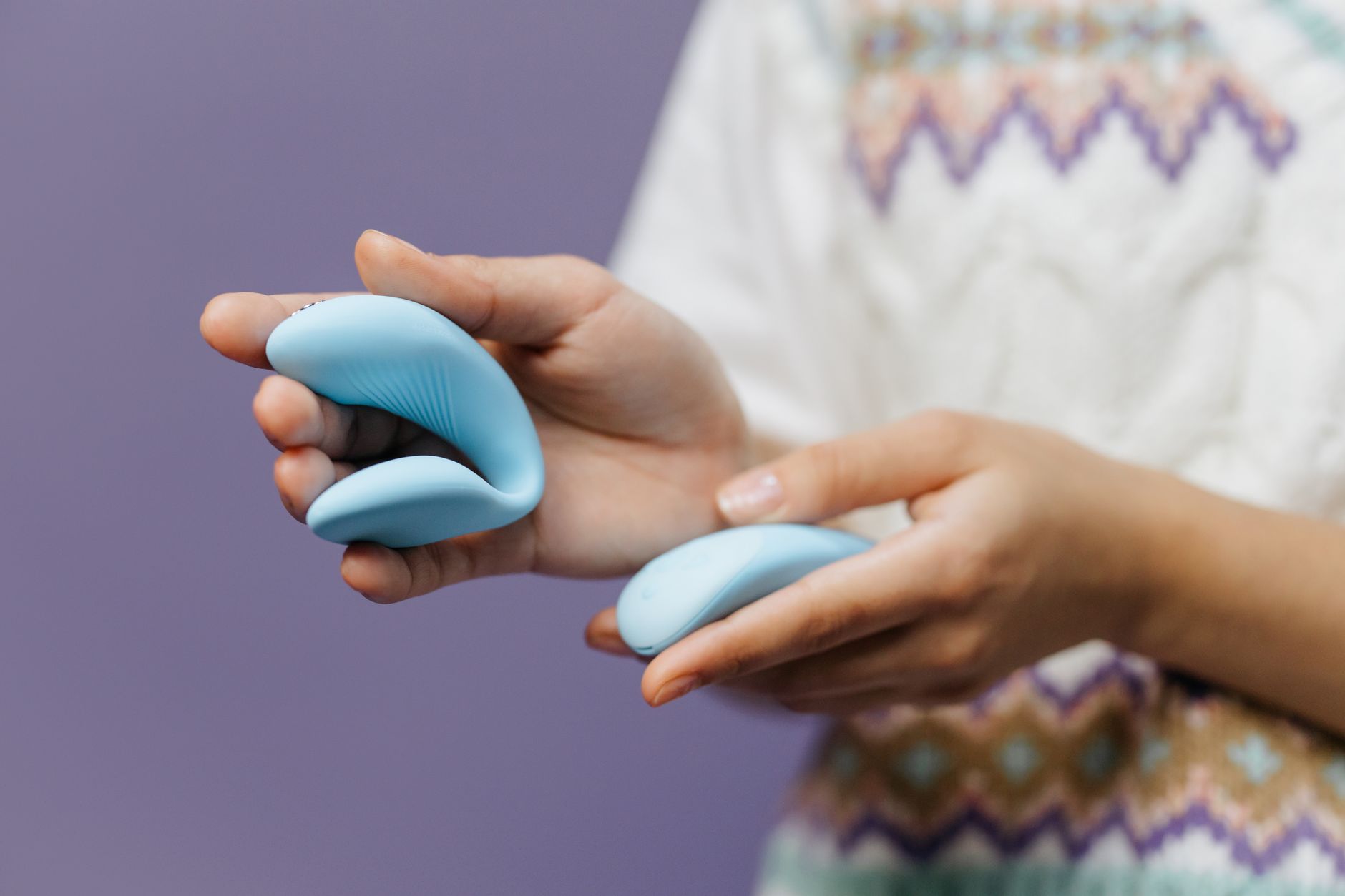
This sounds counterintuitive when you're desperate to reconnect, but it's the fastest path back to ease. Using a clitoral vibrator like the Lemon Clitoral Vibrator on your own first does three things: it reminds your body what arousal feels like, it gives you permission to prioritize your own sensation before thinking about your partner, and it breaks the pressure tax by making pleasure feel low-stakes again.
Spend two to three weeks using your vibrator solo. Not as foreplay to partnered sex. Just as its own practice. The goal is to rediscover what your body responds to now, not to return to how it worked before.
When you use a lemon vibrator solo, start with lower settings. Your nervous system is probably still wound tight from the separation. Let your body acclimate to sensation gradually. Pay attention to what patterns feel good now. Does your clitoris respond better to a pulse or steady suction? Do you need longer warm-up time? This information becomes gold when your partner gets involved.
Introduce your vibrator to partnered exploration
Once you feel grounded in your solo practice, invite your partner to watch. Not necessarily to have sex, just to explore together.
Many couples skip this step because it feels awkward. "We know each other's bodies," they think. But you don't, not anymore. The vulnerability of showing your partner how you touch yourself now, where you need pressure, what feels good—that's actually the reconnection you need more than intercourse.
Here's how I suggest framing it: "I want to show you how my body works now, and I want to learn how yours has changed too." That's a conversation, not a performance. You're researchers, not actors.
When you use the Lemon Clitoral Vibrator together for the first time, keep it simple. Your partner can hold it while you guide the motion. They can watch your breath change, see where your body tenses or releases. This builds the information bank they need to actually please you, and it removes the guessing game that kills intimacy after absence.
Pace matters more than performance
After time apart, your body needs slower everything. Slower touch. Longer foreplay. More rest between sessions.
A mistake I see constantly is couples trying to "make up for lost time" by jumping into intense, frequent sex. Your nervous system can't handle that jump. You'll both end up frustrated because it won't feel like you remembered, and the pressure will only grow.
Instead, aim for quality over frequency. One really connected session where you use a lemon vibrator together, take breaks, laugh when it feels awkward, check in about what feels good—that builds more trust than three rushed attempts where you're both trying to prove something.
When you're using the vibrator together, pause often. Let your body rest. Let arousal build slowly. Let your partner explore at their own pace while you stay present. The goal isn't orgasm. The goal is remembering that you like being in your body with this person.
Communication is the actual tool
You can have the best lemon clitoral vibrator on earth, but it won't matter if you're not talking.
After time apart, your bodies are almost like strangers. Your partner can't read your mind about what feels good now. You might not know how to ask for what you need without feeling vulnerable. That gap is where reconnection usually fails.
Build a practice of asking for one specific thing at a time. "I want you to use the vibrator on me, but start slow." "I want to watch you enjoy this for yourself first." "I'm nervous and need us to go really slowly tonight." These aren't sexy statements, but they're the ones that actually build intimacy back.
Your partner can also ask you to guide them. "Show me what feels good." "Tell me if I should go faster or slower." These questions turn the vibrator into a conversation tool, not a performance tool.
Expect awkwardness and plan for it
Here's the thing about rebuilding after years apart: it will feel weird at first. Your bodies won't remember the exact fit. Your rhythms won't sync immediately. You might laugh at the wrong moment or feel uncomfortable when you expected to feel turned on.
That's not failure. That's just what it looks like to rebuild. Expect it, plan for it, and honestly, lean into the humor of it. Some of the best reconnection moments I've witnessed involved couples laughing together about how rusty they felt, then trying again.
Using a clitoral vibrator actually helps here because it shifts the focus away from "do I still work the way I used to" and toward "what feels good now." The vibrator is doing specific work, which takes some of the pressure off your body to perform or remember.
When to add other touches back in
Once you're comfortable using the vibrator together and you feel grounded in what your body responds to, you can start layering in manual touch. Your partner's hands. Kissing. Their body against yours.
But don't do all of this at once. Add one element at a time. One session might be vibrator plus kissing. The next might be vibrator plus hands. Let each layer feel natural before you add another.
This pacing means you're rebuilding the nervous system regulation between you. Your body learns: this person is safe, this person pays attention, this person doesn't push beyond what I've asked for. That's what actually rebuilds intimacy. Not pressure, not performance, not trying to squeeze years of absence into one perfect night.
The real work: trust rebuilds slower than desire
Desire can return quickly. You can be attracted to your partner again in weeks. But trust in a partnered intimate context takes longer. It takes your body feeling safe enough to be vulnerable, relaxed enough to let arousal build, and confident enough to ask for what you need without shame.
A clitoral vibrator—whether it's a Lemon Clitoral Vibrator or any lemon vibrator you choose—is a tool that helps with that. It takes the pressure off your partner to be the sole source of your pleasure. It lets you show them what you like. It gives you both permission to explore without performance stakes.
The years apart happened. You can't undo that. But you can rebuild something honest and present with each other. That's actually richer than trying to recreate what was before.