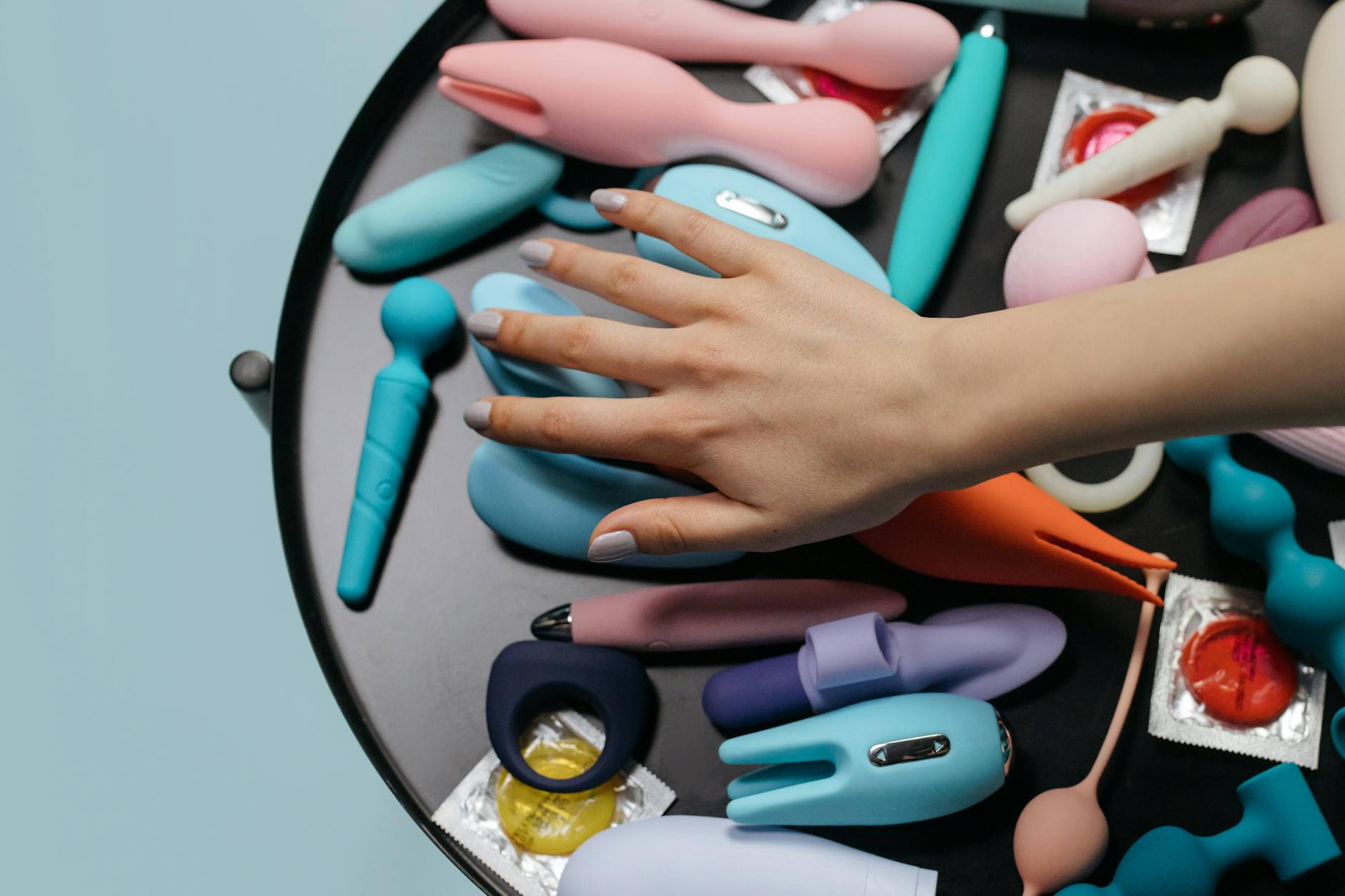
Let's talk about the conversation first
You're thinking about bringing a lemon vibrator or other clitoral vibrator into sex with your partner, and your brain is spinning through worst-case scenarios. They'll feel replaced. They'll think you're not attracted to them. They'll get defensive. They'll think you want something kinky and weird.
Here's what I've seen work: most partners are relieved. Not because they were secretly hoping for this, but because it signals that you want more pleasure and you trust them enough to ask for it.
Why the conversation matters more than the toy
The vibrator itself is just a tool. What actually changes the experience is honesty about what you want and why.
Most people introduce a clitoral vibrator like they're admitting to a problem. "I need this because sex hasn't been working" or "I can only finish with a toy." That framing puts your partner in a defensive position. They hear: you're not enough.
Reframe it. You want more sensation. You're curious. You've read that adding toys can deepen connection, and you want to try it together. That's not a complaint. That's expansion. There's a huge difference.
The actual conversation
Pick a moment when you're both relaxed and clothed. Not during sex, not right after a fight, not when someone's rushing out the door.
Say something like: "I've been thinking about trying something new sexually. There's this clitoral vibrator I'm curious about. I'd love to explore it together, but only if you're interested. What do you think?"
Then stop. Let them talk. Don't fill silences with justifications. If they ask questions, answer honestly. If they need time to think about it, that's fine. If they're enthusiastic, even better.
If your partner is resistant, ask why. Sometimes it's a genuine concern about their role. Sometimes it's about control or insecurity. Sometimes they just need to understand what you're actually asking for. A good conversation clarifies all of that.
How to actually incorporate it during sex
Start slowly. You don't need to launch straight into using it during penetration.
First time? Use the vibrator alone, with your partner present and involved. They can watch, help hold it, kiss you while you use it. This does two things: it lets you get comfortable with it in a partnered context, and it lets them see that you're having genuine pleasure. That's rarely threatening. It's usually hot.
Second time might be: you use it on yourself while they're inside you, or while you're touching them. Third time, they might hold it while you guide them. You're building comfort and communication gradually.
There's no rush. Sex is not a performance that needs a specific setup or progression. If it feels good to use a lemon clitoral vibrator this way for three months and never move past it, that's perfect. If you want to try something different next week, that's also perfect.
The emotional part (which is the real part)
Using a vibrator with a partner requires vulnerability on both sides. You're saying "I want this sensation and I trust you to be part of it." They're saying "Your pleasure matters more to me than my ego."
That's intimate in a way that has nothing to do with the toy itself.
Be generous with communication during and after. If something feels good, say it. Not in a performance way, just "that's really good" or "I like that rhythm." If something doesn't work, you can adjust mid-sex without making it weird. "A bit slower maybe?" is not a criticism. It's information.
Afterward, especially the first time, check in with each other. Not in an analysis way, just a genuine moment. "That felt different." "I liked that." "Want to do it again sometime?" This normalizes it as part of your sexual repertoire, not as a special event that needs debriefing.
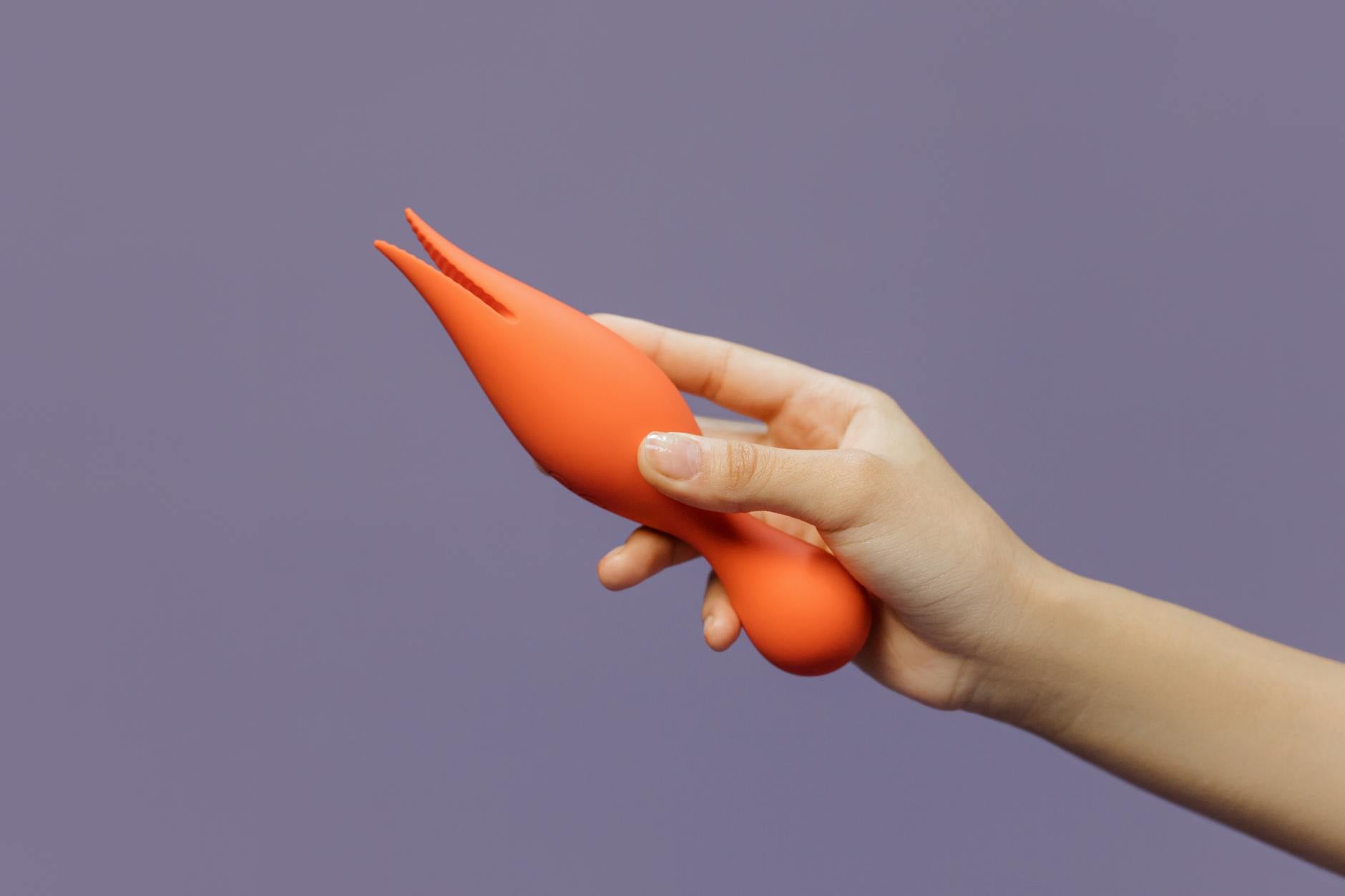
Photo by cottonbro studio on Pexels
What if your partner is nervous or hesitant
This is common. They might worry that a vibrator means they're not enough. They might be anxious about performance. They might have old ideas about what's "normal" in sex.
Your job isn't to convince them. Your job is to listen and be honest.
If they say "I'm worried you'll prefer the toy to me," you can say: "That's not how it works. A toy creates a different sensation. You create connection. I want both." That's true, and it usually resonates.
If they're worried they won't know what to do, you show them. There's nothing intimidating about a vibrator once you've used one. It's a simple tool. Some people hold it, some people place it, some people just turn it on and let you guide. You figure it out together.
If they're worried it means you're secretly wanting something kinkier or more extreme, you can address that directly. "No, I just want more sensation during sex. That's all this is."
If after a genuine, patient conversation they still don't want to, that's their boundary. You get to decide what that means for you. But in my experience, most of that resistance softens once they understand what you're actually asking for.
Practical tips for actually using it
Water-based lubricant is your friend. Vibrators work better with a bit of slip, and it feels more comfortable for both of you.
Start with a lower intensity setting. You can always increase it. You can't un-experience too much stimulation.
Communication during sex doesn't have to be formal. "A bit to the left" or "stay there" or "that's perfect" is natural and easy.
If you're using it during penetration, you might need to figure out positioning. Sometimes you hold it, sometimes your partner does, sometimes you both do. There's no one right way.
Battery life matters. Check that it's charged before you start. Nothing kills the mood like finding out your lemon vibrator died halfway through.
Clean it after with warm water and mild soap. It's part of normal sex care, like condoms or anything else.
If you're already using a vibrator alone and want to share it
That's a slightly different conversation. You're not introducing something new, you're inviting them into something you already love.
You might start by just talking about how it feels for you. "I really like using this. The sensation is really different from anything else." Then gradually: "Would you ever want to try holding it while we're together?"
Sometimes partners are relieved to learn you have a way to finish reliably. That takes pressure off them.
If you're already familiar with your lemon clitoral vibrator or another brand of adult toy, you know what you like. That knowledge is valuable in a partnered context. You can guide your partner directly to what works.
The bigger picture
Using a vibrator with a partner isn't about the toy. It's about being honest about what you want and inviting your partner into that honesty.
It says: my pleasure matters. Your pleasure matters. We can explore this together. Connection isn't threatened by honesty. It's built by it.
If you want more information on choosing the right tool for your body, the how to choose your first lemon clitoral vibrator guide covers that in depth. And if you're exploring this in a long-term relationship or navigating other intimacy shifts, the piece on lemon vibrator for women over 40 touches on how communication changes as relationships mature.
What matters most is that you feel good. And that your partner feels like they're part of that, not replaced by it.
Frequently asked questions
Will my partner feel emasculated if I use a vibrator during sex?
Sometimes, initially. But that feeling usually comes from old ideas about what sex "should" be, not from any reality. A vibrator creates sensation your body can't. It's not a replacement for your partner. It's an addition. Most partners, once they understand that distinction, feel relieved. Their job isn't to be everything. Their job is to be present and connected.
How do I bring this up if we've been together for years and never talked about toys?
Directly and kindly. You might say: "I've been thinking about trying something new. I want to explore my pleasure more, and I want to do it with you. I'm interested in using a vibrator together. How would you feel about that?" The length of the relationship doesn't matter. What matters is honest, non-defensive communication. Longer relationships often have more trust to draw on, which actually makes these conversations easier.
What if they want to use the vibrator but I'm not sure I'm ready?
That's completely fair. You don't have to do anything you're not comfortable with. You might start by just letting them see you use it alone. Or you might need to have another conversation about what specifically makes you hesitant. Boundaries are normal and healthy. They're not failures.
Is it weird to use a vibrator every time we have sex?
Not at all. If it feels good and you both enjoy it, it becomes part of your normal sexual routine. Sex doesn't have to look the same every time, but it also doesn't have to look drastically different. If using a lemon vibrator is what works for your body, it works for your body.
What if we try it and it doesn't go well?
You can try again, adjust what you're doing, or decide it's not for you. One awkward or uncomfortable experience doesn't mean you have to keep doing it. You also don't have to pretend it was fine if it wasn't. "That felt weird. Let's try something different" is a complete and honest sentence. Sexual exploration is trial and error. That's the whole point.
My partner wants to use a vibrator but I'm insecure about it.
That's worth examining. If your partner wants more sensation, that's information about their body and needs, not about your inadequacy. Your job isn't to be their everything sexually. Your job is to care about them and be willing to explore together. If insecurity is a pattern for you, that might be worth talking through with a therapist. But the vibrator itself isn't the problem. The relationship to it is.
One more thing
Using a lemon vibrator or any clitoral vibrator with a partner is an act of trust and communication. It's not radical. It's not weird. It's just people being honest about what they want and creating space for that together.
Your pleasure matters. Your partner's pleasure matters. And sometimes, a little bit of technology helps both of those things happen more fully.
If you have questions about getting started or want to talk through your specific situation, I'm here. You can always reach out at /contact.