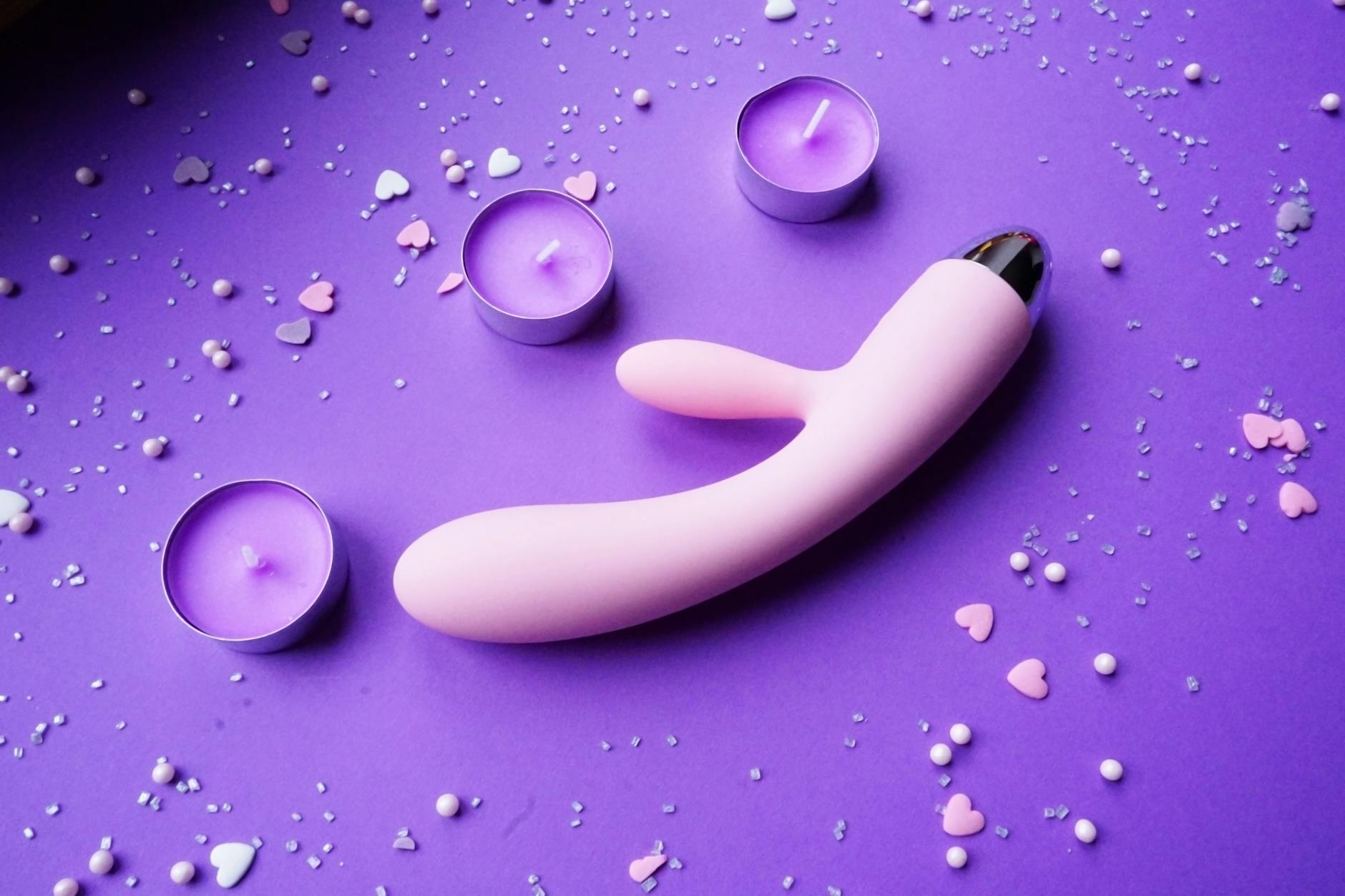
Here's the thing about SSRIs and sex
Your antidepressant is working. You're sleeping better. Your anxiety isn't strangling you at 3 a.m. Your mood is stable in a way it hasn't been in years. And somehow, despite all of that, your body has completely ghosted you.
This isn't a side effect you imagined. Sexual dysfunction from SSRIs is real, common, and wildly underreported. Between 40-60% of people taking serotonin reuptake inhibitors experience some change in arousal, lubrication, or orgasm capacity. Your doctor probably didn't mention it. You probably didn't ask. And now you're stuck in the worst bargain: feel good mentally or feel good physically. Except that's not actually the bargain you have to accept.
What SSRIs actually do to your body
The mechanism is straightforward and also completely unfair. Serotonin regulates arousal, desire, and the speed at which your body responds to stimulation. When SSRIs increase serotonin availability in your brain to improve mood, they do the same thing in the parts of your nervous system that control sexual response. The result is often a kind of pleasant numbness. You're not distressed. You're just... flat. Orgasm, if it happens at all, takes forever and feels muted.
Some people describe it as a dimmer switch turned down to 20%. Others say arousal feels like it's behind glass. The experience varies wildly depending on which SSRI you're on, your dosage, how long you've been taking it, and your individual neurology. But the core problem is consistent: the same mechanism that's helping your mental health is muffling your sexual response.
Here's what's important: this is not your body breaking. This is chemistry.
Why a lemon vibrator changes the equation
A clitoral vibrator like the Lem works differently than your body's natural arousal pathway. Instead of waiting for your nervous system to build sensation from the inside out, air-suction technology creates intense external stimulation that bypasses the flattened arousal response.
Think of it this way. Your brain's serotonin levels are like the thermostat in your house. SSRIs adjust that thermostat, which affects how quickly heat builds. But a lemon clitoral vibrator is a space heater. It doesn't care about the thermostat. It creates localized, immediate stimulation that reaches your nerve endings directly.
For people on SSRIs, this matters because:
The intensity cuts through the numbness. Standard vibration requires your body to feel gradual buildup. Air suction creates sharp, focused sensation that registers even when arousal feels distant.
It shortens the pathway to orgasm. Instead of needing 45 minutes of foreplay to maybe reach climax, many people on SSRIs find orgasm within 10-15 minutes of using a lemon sucker.
It separates pleasure from pressure. When arousal is medication-altered, you might feel like you're failing if you can't climax naturally. A lemon vibrator reframes the goal as pleasure, not performance.
How to start if you're on SSRIs
If you're new to lemon vibrators and also managing sexual side effects, a few adjustments from the standard approach help.
Start with pattern one or two. SSRIs don't make you numb to pain, just to arousal. You might be more sensitive to initial stimulation. The Lem's lower patterns give you room to explore without overwhelming your tissues.
Give yourself longer warm-up time, but differently. You might not feel arousal building in the usual way. Instead of waiting for your body to signal readiness, use 10-15 minutes of lower-intensity stimulation (patterns 1-3) as your warm-up, then increase. This gives your nerve endings time to wake up without requiring your brain to register desire.
Combine it with something that works for arousal outside of physical sensation. This might sound counterintuitive, but many people on SSRIs find that mental engagement helps more than it does for non-medicated bodies. Audio erotica, written erotica, fantasy, partner involvement, or even just a shift in environment can prime your brain for pleasure in a way that helps the physical sensation register more vividly.
Use a light water-based lubricant. SSRIs can reduce natural lubrication, and even though the Lem doesn't require it the way friction-based toys do, a small amount helps the suction seal better and feels more comfortable.
Timing and medication cycles matter
SSRI side effects aren't always constant. They fluctuate based on when you take your dose, what time of day you're attempting pleasure, and how long the medication has been in your system. Most people notice that sexual function is most affected in the first few hours after taking their dose and improves slightly as the day goes on.
This isn't a reason to avoid your medication. It's just information. If you want to try a lemon vibrator, scheduling it for an afternoon or evening, several hours after your morning dose, might help. Some people also find that the side effects ease after a few months on the same medication, as their body adjusts.
If they don't ease, that's worth a conversation with your prescriber. Dosage adjustments, timing changes, or switching to a different SSRI that has a lower sexual side effect profile (bupropion, for example, has fewer sexual effects than fluoxetine) are sometimes options. These conversations are awkward. They're also important. Your mental health and your sexual health both matter.
When to involve your partner
If you're in a relationship, sexual changes from medication affect both people. Using a lemon clitoral vibrator solo is absolutely valid and powerful. Using one with a partner can be even more useful because it addresses the "we're both struggling with this" feeling that often emerges.
If you're considering involving your partner, a few things help. First, separate the conversation about the medication's effects from any relationship issues. "My SSRI has flattened my arousal" is different from "I don't feel connected to you." Both might be true, but they're different problems with different solutions. Second, position the vibrator as a tool for you both, not as a workaround to your partner's needs. The goal is your pleasure, which happens to also benefit the relationship.
If you're not sure how to start that conversation, that's normal. Many people find it helpful to frame it practically: "The medication helps my mental health, and I want to figure out how we both stay satisfied. I'm thinking about trying a lemon clitoral vibrator." Most partners respond well to honesty and a clear action plan.
What to do if intensity still doesn't help
Some people on SSRIs find that even high-intensity external stimulation doesn't fully overcome the arousal dampening. If that's you, a few other approaches are worth exploring.
One is dosage or timing adjustments with your prescriber. Small changes sometimes make a significant difference. Another is adding an additional medication that specifically targets sexual side effects, like bupropion or buspar, which some doctors prescribe alongside SSRIs for exactly this reason. A third is switching to a different SSRI or class of antidepressant that has fewer sexual effects.
If you're in therapy with a licensed therapist or relationship specialist, they can help you navigate these conversations with your doctor. The key is that you don't have to choose between mental health and sexual pleasure. There are almost always options.
The permission piece
Here's what I see in my practice most often: people on SSRIs accept sexual side effects as the price of mental stability. They think it's not worth complaining about because the medication is helping. They worry their doctor will judge them, or that their partner will feel rejected, or that they're being selfish for wanting both mental health and pleasure.
You're not being selfish. You deserve both. A lemon vibrator isn't a band-aid on a problem you should just accept. It's a tool that works with your body as it actually is, not as you wish it were. Using one doesn't mean your medication isn't working. It means you're taking your whole life seriously. Your mental health matters. Your pleasure matters too.
FAQ
Can I use a lemon vibrator if I'm on SSRIs and also have anxiety?
Absolutely. In fact, many people find that the predictability and control of using a lemon clitoral vibrator actually reduces performance anxiety during sex. You're not relying on your body to spontaneously respond. You have a tool that works consistently. That often helps anxiety-driven sexual dysfunction feel less scary.
Will a lemon vibrator interfere with my SSRI?
No. They work through completely different mechanisms. Your SSRI affects neurotransmitters in your brain. A lemon sucker creates physical stimulation through air-suction technology. Using a vibrator won't make your medication less effective or create any drug interactions.
How long does it take to adjust to a lemon vibrator if arousal is already flattened?
This varies more on SSRIs than in other situations. Some people feel immediate relief in the first use. Others need 3-5 sessions to figure out which patterns work for their SSRI-altered response. Give yourself at least a few weeks of consistent, pressure-free exploration before deciding if it's right for you.
What if my partner and I have different medications affecting arousal?
This is surprisingly common and worth addressing directly. If both of you are on SSRIs or other medications that affect sexual response, using a lemon vibrator together can help both of you experience pleasure without either person feeling like they're the problem. It also removes the pressure of trying to synchronize arousal that's already chemically altered for both partners.
Should I tell my doctor I'm using a lemon vibrator?
You don't have to, but if you're also discussing sexual side effects, it's useful information. You might say something like, "I'm using an external vibrator, and it's helping. That suggests the issue is arousal responsiveness rather than physical pain." This helps your doctor understand the type of sexual dysfunction you're experiencing, which informs treatment options.
Can I use a lemon vibrator while on SSRIs and also in therapy for sexual trauma?
Yes, with support. If you're working through trauma, you might want to coordinate with your therapist about incorporating a vibrator into your healing work. Some therapists have experience guiding clients through this. Others don't. Either way, your therapist should know if you're exploring pleasure as part of your recovery so you can process together if anything comes up.
Moving forward
SSRIs don't have to mean the end of your sexual life. They mean a shift in how your body responds to arousal. A lemon vibrator, combined with patience and honest conversations with your doctor and partner, can help you reclaim pleasure while keeping the mental health benefits you desperately need. You get to have both. That's not selfish. That's taking care of yourself.
If you're ready to explore, the Lem is designed for exactly this kind of responsive, straightforward pleasure. If you have questions about how it might work with your specific situation, reach out. We're here to help.