Let's name the thing nobody talks about
Your partner loves you. You love them. But they initiate sex once a week, and you want it three times. Or they're content with once a month, and you're thinking about it daily. The gap isn't small. It's big enough that you've started to wonder if something's wrong with you, or if they're losing attraction, or if the relationship has an expiration date.
Here's what I know after two decades of working with couples: desire mismatch doesn't mean incompatibility. It means you're human, and humans have different baseline drives. One of you might have higher testosterone. One might carry more stress that kills libido. One might have been raised to see sex as sacred; the other as playful. These aren't character flaws. They're biology and history.
But they do create friction. Especially when the person with higher desire starts to feel rejected, and the person with lower desire starts to feel pressured. That's when something useful happens: you reach for a tool that lets you meet your own needs without making it about them.
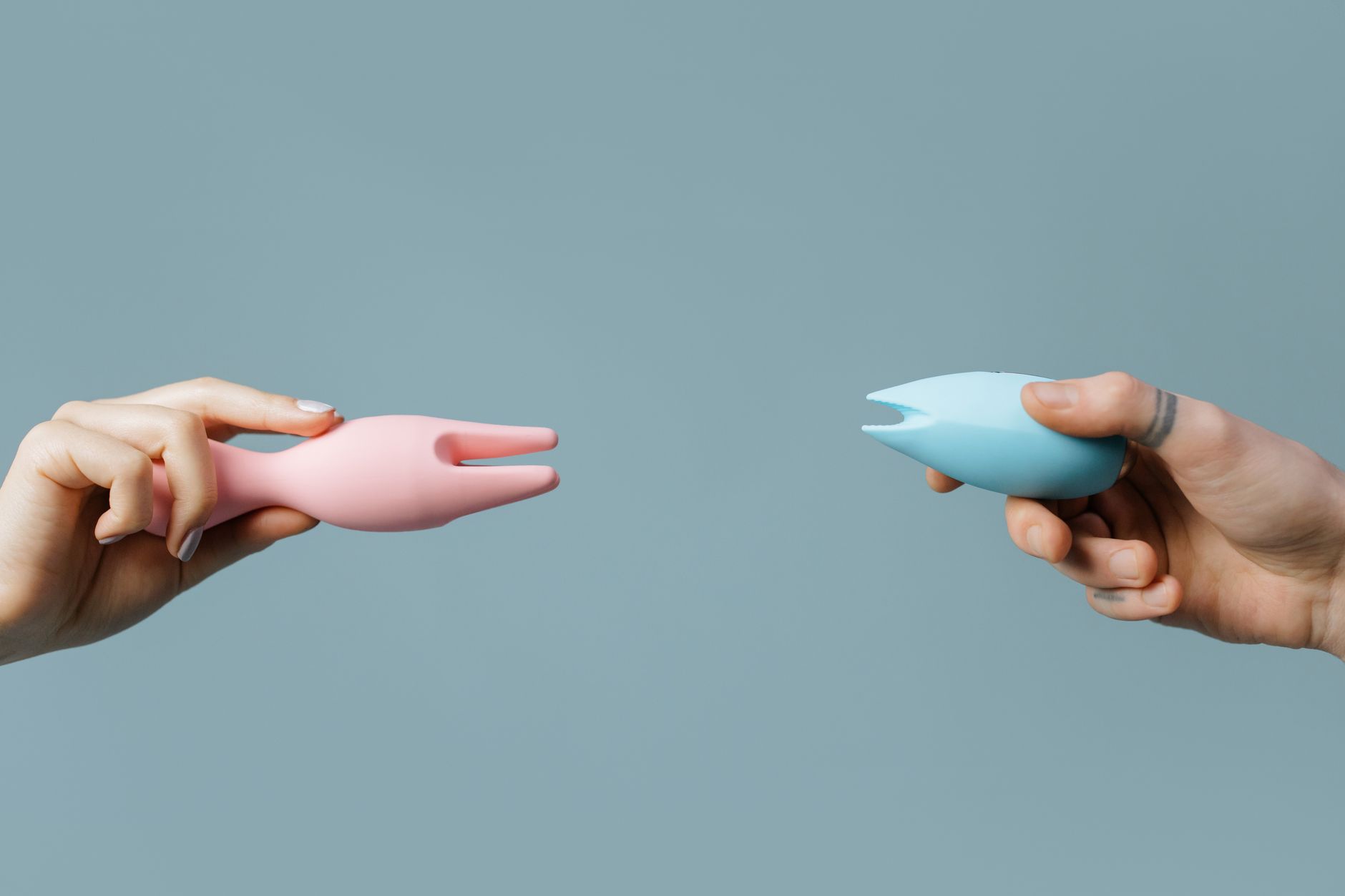
This is where a clitoral vibrator like the Lemon Clitoral Vibrator comes in. Not as a replacement for your partner. As a reset button that lets you reclaim your own pleasure and, weirdly, reconnect with them.
Why desire mismatch isn't about attraction
I need to separate two things that most people confuse. When your partner initiates less, you think it means they want you less. It usually means one of these things instead.
Stress, depression, or medication side effects. Antidepressants, blood pressure meds, and hormonal birth control all suppress libido. So does burnout, grief, and financial anxiety. A partner who's carrying one of these isn't rejecting you. They're struggling with their own nervous system.
Different baseline drives. Some people are wired with naturally lower sexual appetite. This isn't something they can think their way out of. It's like asking someone who's introverted to just be more social. They can do it, but it's exhausting, and it breeds resentment.
Responsive desire versus spontaneous desire. Some people (often women after thirty, but not always) don't think about sex until they're already being touched. Their desire is responsive, not spontaneous. A partner with responsive desire might love sex once it starts, but they won't initiate because there's nothing to initiate until arousal is already building.
None of these are about you. And that distinction matters because once you know it's not rejection, you can stop taking the gap personally. You can actually do something about it.
How a clitoral vibrator changes the dynamic
Here's what happens when you bring a lemon vibrator into the picture intentionally.
First, you stop waiting for permission. You stop monitoring your partner's energy to see if tonight's the night. You stop building resentment because they're not reading your mind. You take your pleasure off their shoulders and onto your own terms.
Second, something counterintuitive happens: when you're regularly satisfied on your own, you stop needing them to satisfy you. The pressure they feel lifts. Desire often returns when pressure leaves. I've seen this shift in couples dozens of times. Once the lower-desire partner stops feeling like they're failing to meet a need, their own drive sometimes reignites.
Third, you might discover that using a vibrator with them opens a door that wasn't there before. Not because penetration wasn't working, but because the dynamic shifts from "you fix me" to "we explore this together." That's a different energy entirely.
How to use a lemon vibrator in this specific situation
There are three distinct approaches, depending on where you are in the cycle.
Scenario one: Solo satisfaction, before the mismatch builds. Use your vibrator on your own schedule, without framing it as part of partnered sex. This isn't secret. It's just yours. Three times a week if that's what your body wants. The goal is to stop keeping a tally of unmet needs. Once you're meeting them, the resentment usually softens.
When your partner touches you later in the week, it's because you want connection, not because you're desperate. That shift in energy is everything.
Scenario two: Inviting them into the experience. You're using your vibrator, they can see it, they can touch it, they can be part of it without having to perform initiation or penetration. Some partners find this less pressure because it's clear what pleasure looks like. They're not trying to guess. They can watch, help, or just be present while you use it.
Many couples I work with find this is where responsive desire kicks in for the lower-desire partner. Watching their partner light up is often more arousing than being asked to perform.
Scenario three: Integration into partnered sex. You bring the lemon vibrator into moments where you already are intimate. Maybe it's during foreplay. Maybe it's during sex if you need clitoral stimulation to reach orgasm. The vibrator isn't replacing them. It's completing the picture.
For people with responsive desire, this can feel like permission to stay present instead of watching the clock and waiting for it to be over.
The conversation you actually need to have
Before any of this works, you need to separate two conversations.
Conversation one: "I have a higher sex drive than you, and that's okay. I'm going to start meeting my own needs with a vibrator so I'm not putting that pressure on you."
Conversation two: "I'd like us to find ways to stay connected even if we're not having sex the same number of times." This might be a weekly check-in where you touch each other without sex as the goal. It might be scheduling one night a week where you're both present and open, even if it doesn't always lead to sex.
Don't combine these. Combining them turns the vibrator into evidence that they're failing. Keeping them separate makes the vibrator a solution instead of an accusation.
If your partner feels threatened by a clitoral vibrator, that's worth exploring separately. Sometimes it's about insecurity. Sometimes it's about control. Sometimes it's about grief that they can't be the one meeting your needs. All of those are real, and all of them deserve attention. But that attention belongs in a couples conversation, ideally with a therapist. It doesn't belong in the bedroom.
What changes when you own your pleasure
I work with couples where one person has learned to use a vibrator solo, and it transforms the relationship. Not because sex suddenly happens more. But because the person with higher desire stops making their partner responsible for their satisfaction.
That's when real intimacy starts. Because sex becomes something you want together, not something one person owes the other.
You'll also notice that you have better orgasms when you're not angry underneath. When you're not keeping score. When you're not waiting for your partner to initiate something they might not want. A clitoral vibrator removes the emotional static that's usually sitting between you.
Some couples also find that once they're no longer fighting about frequency, they want sex more often together. Not because anything changed physically. But because the resentment is gone. The pressure is gone. Desire can actually exist again.
FAQ: Desire mismatch and vibrators
What if my partner feels insecure when I use a vibrator?
That's a sign you need to talk about what the insecurity is really about. Is it that they feel replaced? Is it that they grew up in a culture where female pleasure was taboo? Is it that they're worried they're not enough? Those are three different conversations. Don't assume you know which one it is. Ask. And consider working with a couples therapist who can help both of you sort it.
Can using a vibrator make it harder to orgasm with my partner?
Not if you use it properly. Some people worry that vibrators are too intense and will numb them, but that's usually a technique issue. You're controlling the intensity and pattern. You decide how much stimulation. Most people find that having regular orgasms solo actually makes partnered sex easier, not harder. The pressure drops. The pleasure increases.
Should I hide my vibrator use from my partner?
No. Secrecy breeds suspicion and shame. This isn't about being crude. It's about being honest. Your pleasure matters. You're taking care of it. That's health, not betrayal.
What if my partner wants to use the vibrator with me but I feel weird about that?
Then say so. You don't have to invite them in immediately. You might start solo, get comfortable, and then open the door later. Or you might find that you always prefer solo use. Either is fine. The point is meeting your needs, not performing partnership.
Does using a vibrator mean our sex life is failing?
Not even close. It usually means your sex life is evolving. Most long-term couples eventually bring tools into the bedroom because bodies change, stress changes, and desires change. This is normal. It's not failure. It's adaptation.
How often should I use a vibrator if my partner isn't interested in frequent sex?
As often as your body wants. There's no rule. Some people use it daily. Some weekly. Some a few times a month. Your body will tell you what it needs. Listen to that.
The real shift
When you stop making your partner responsible for your pleasure, something shifts in the relationship. You stop resenting them. They stop feeling like they're failing. And weirdly, that's when sex often gets better, because it's no longer tangled up with obligation and disappointment.
A clitoral vibrator won't fix desire mismatch. But it will remove one major source of conflict. And once that conflict is gone, you might be surprised at how much room opens up for actual connection. Your pleasure matters. So does theirs. They're not the same thing. And that's okay.
If you're struggling with this, talking to a couples therapist is worth it. But in the meantime, meeting your own needs is the most honest, most direct path forward. That's not settling. That's self-respect.