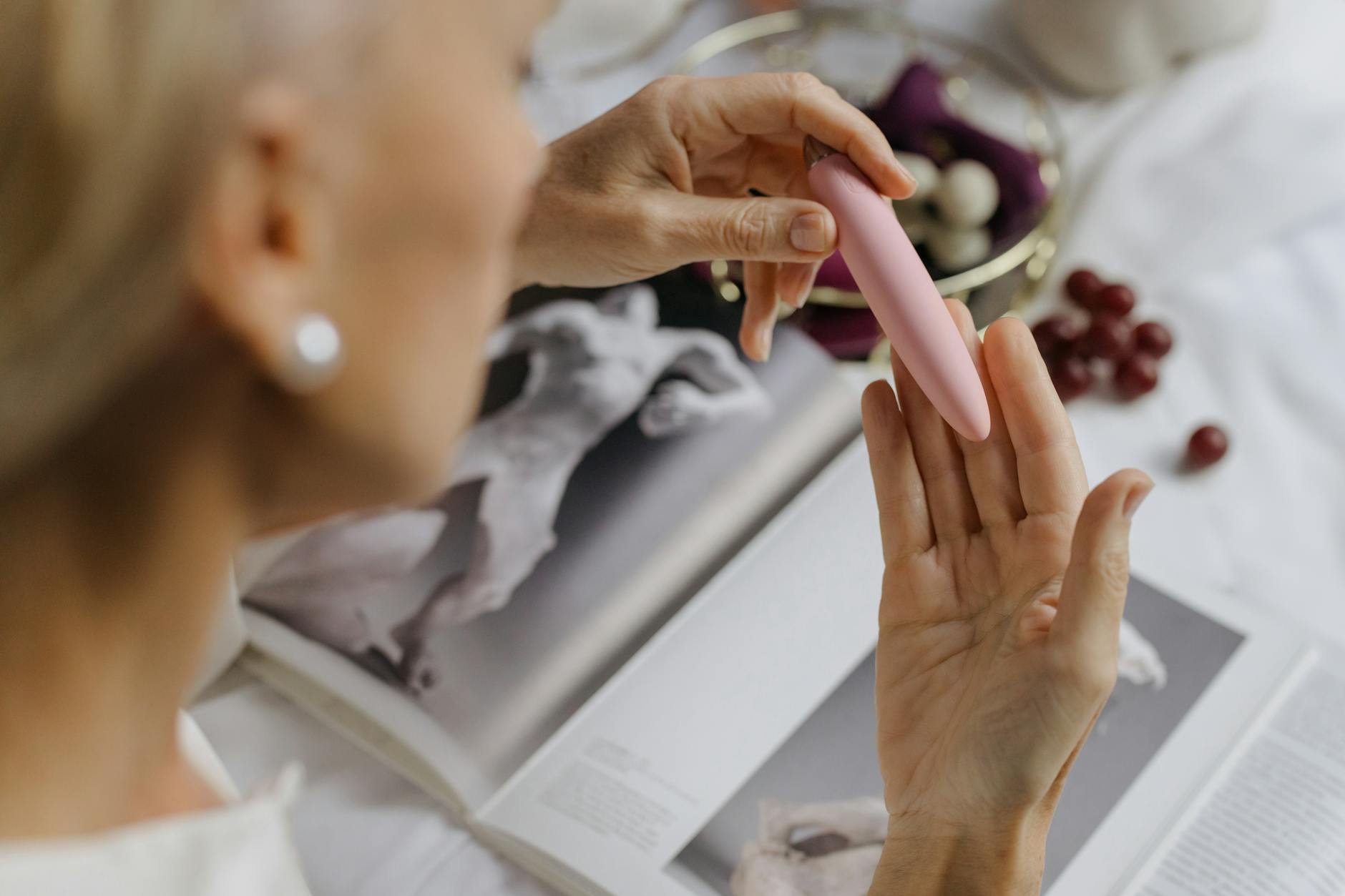
Let's start with the hard truth
Vulvodynia and chronic pelvic pain conditions don't just hurt. They rewire how your nervous system responds to touch, pressure, and pleasure. Most sex advice assumes a body without pain. This isn't that advice.
Here's what I want you to know first: pleasure is still possible. It looks different. It requires a different approach. And the right tool, used the right way, can actually calm your nervous system instead of triggering it.
Why standard vibrators sometimes backfire
Most vibrators work by providing intense, continuous stimulation. For someone with vulvodynia or chronic pelvic pain, that intensity can feel like an alarm bell going off in your nervous system. Your body can't distinguish between "this is supposed to feel good" and "this is threatening," so it locks down. Pain intensifies. Arousal flatlines.
This isn't weakness. It's your nervous system doing exactly what it was trained to do: protect you from sensations it perceives as dangerous.
Lemon clitoral vibrators, particularly air-suction designs, work differently. Instead of grinding vibration against sensitive tissue, they use gentle suction and pulsing patterns that many people with chronic pain tolerate far better. The stimulation feels less invasive, less aggressive. Your nervous system can relax.
How chronic pain changes arousal
Three things happen neurologically when you're living with vulvodynia or pelvic pain:
Pain pathways get stronger. Your nervous system has been primed to alert you to threat. This hypervigilance doesn't turn off just because you want to feel pleasure. It's like having a smoke detector that goes off when you make toast.
Anticipatory anxiety kicks in. Your brain remembers that touch has hurt before. Even neutral touch can trigger a pre-emptive pain response. You're not imagining it. It's real neurobiology.
Blood flow patterns change. Chronic tension in the pelvic floor means less circulation to the tissues that need it most for arousal. Everything takes longer. Everything feels less.
The solution isn't to push through or "relax harder." It's to work with these realities instead of against them.
How to use a lemon vibrator with vulvodynia
Three foundational shifts:
Start nowhere near where it hurts. If direct clitoral contact triggers pain, begin with stimulation several inches away from that area. Your Lemon clitoral vibrator can work beautifully on the inner thighs, the lower abdomen, the mons pubis. Let arousal build there first. Pain pathways quieten when pleasure pathways activate in other parts of your body.
Use the lowest settings first, always. Lemon vibrators start gentle. Begin at pattern 1 or 2. Spend 10-15 minutes there before considering anything higher. This trains your nervous system that vibration equals calm, not intensity. Over weeks, your tolerance often improves.
Pair it with deep breathing. This is not fluff. When you use a lemon sucker or clitoral vibrator, your pelvic floor will naturally want to clench. That clench is the pain cycle restarting. Slow, deep breathing (in for 4, hold for 2, out for 6) tells your parasympathetic nervous system it's safe. Do this throughout. The vibration is secondary to the breath.
Creating a nervous system friendly environment
Your surroundings matter more than you think. Here's what actually helps:
Warm your space first. Cold increases pelvic floor tension. Warm decreases it. A heating pad on your lower abdomen for 10 minutes before you start isn't preparation. It's therapy.
Eliminate time pressure. Set an hour aside, knowing that arousal might take 30-40 minutes to build. Or might not peak at all, and that's fine too. Your only job is to notice sensation without judgment.
Use lubrication, even if you don't think you need it. With chronic pelvic pain, blood flow to tissues is often reduced. Water-based lubricant reduces friction and makes everything feel less alarming to your nervous system. It's permission, not weakness.
Build in pleasure that has nothing to do with genital touch. A long shower. A massage. Music you love. This activates your pleasure centers before you even think about your lemon vibrator. Your nervous system is already calm.
What to do if pain still appears
Pain during or after using a vibrator is information, not failure. Here's how to read it:
If pain appears in the first 5-10 minutes, you're likely starting too intensely or too close to your most sensitive area. Pause. Move the vibrator further away. Drop the intensity. Start again.
If pain builds gradually over 20-30 minutes, you've hit a pelvic floor tension ceiling. Your muscles have clenched as much as they can. This is a signal to stop, not push through. Pause. Breathe. Maybe return to non-genital pleasure.
If pain spikes suddenly, stop. Rest. This is your nervous system saying no. That's valid. Try again another time.
Consider working with a pelvic floor physical therapist alongside exploring pleasure tools. They can help you understand exactly which tissues are reactive and teach you release techniques that work specifically for your body. A lemon vibrator is powerful. A vibrator plus targeted physical therapy is transformative.
The role of mental pleasure
Here's what gets missed: arousal is not just physical. It's mental. For someone with chronic pelvic pain, the mental piece is often the gate.
If you're thinking "this is going to hurt," your body listens. If you're thinking "let me see what I can feel," your nervous system relaxes.
Fantasy, erotica, or partner roleplay can be that mental gateway. It redirects your brain away from pain prediction and toward pleasure anticipation. Some people find that starting with a few minutes of mental arousal before touching their body at all makes everything easier.
Others find that a partner's presence, without any expectation of sex, helps. The nervous system feels safer. Touch feels less threatening.
There's no right way. There's only what helps your specific nervous system right now.
Questions to ask yourself before you start
Take five minutes and write down honest answers:
What time of day does your pain typically feel better? Plan your exploration then.
Which parts of your body feel least reactive? Your inner thighs? Your breasts? Start there with your lemon clitoral vibrator.
What mental thoughts calm your nervous system? Pleasure that's slow? Connection with a partner? Privacy and control? Design your session around that.
What have past experiences taught you about your body's limits? Honor those. They're not obstacles. They're maps.
When pleasure finally arrives
Many people with vulvodynia say their first pleasurable experience after diagnosis felt like grief and relief at the same time. Relief because pleasure was possible. Grief because it took so long to get there.
If you experience pleasure, even a small amount, after chronic pelvic pain, your nervous system is learning that you're safe. That sensation can be good. That your body isn't just a source of alarm. Repeat that experience slowly. Build on it. Your capacity expands over time.
Your body deserves pleasure. It deserves to know that touch doesn't always mean pain. A lemon vibrator, used patiently and with nervous system awareness, can help teach it that.
People also ask
Can I use a lemon vibrator if I have vulvodynia?
Yes, but differently than someone without pain. Start with the lowest settings, focus on areas around the painful zone before approaching it directly, and prioritize nervous system safety over intensity. Many people with vulvodynia find air-suction lemon clitoral vibrators gentler than traditional vibrators because the stimulation feels less invasive.
How long does it take to feel pleasure again after pelvic pain has developed?
There's no timeline. Some people notice shifts within weeks. Others take months. Progress isn't linear. You might have a great session followed by a difficult one. That's normal. The important thing is consistency and patience, not speed.
Is it okay to use a vibrator if it causes slight pain at first?
Not the kind of pain you've been experiencing. Slight initial discomfort as tissues wake up is different from your chronic pain pattern. If you're unsure, pause and check in with a pelvic floor physical therapist. They can help you distinguish between these two sensations.
Can a partner help when using a lemon vibrator with vulvodynia?
Yes, but only if their presence genuinely calms your nervous system. Some people find a partner's presence reassuring. Others find it creates more pressure. Do what actually helps, not what you think should help.
Does pelvic floor physical therapy work alongside vibrator use?
Absolutely. Physical therapy teaches you how to release tension. A lemon vibrator teaches your nervous system that stimulation can feel good. Together, they work faster than either alone.
What lubricant should I use with a lemon clitoral vibrator if I have vulvodynia?
Water-based always. It's compatible with silicone toys, and it feels less alarming to a sensitive nervous system. Avoid anything with fragrance or warming ingredients. Simple and plain is best.
Final thought
Chronicpelvic pain is real. It changes everything, including how pleasure works. But it doesn't erase pleasure. It just requires you to meet your body where it actually is, not where you wish it were. A lemon vibrator can be part of that meeting, if you approach it with patience, gentleness, and a nervous system that knows you're not the enemy. You're trying to find your way back to feeling good.
That matters. You matter. Your pleasure matters, on whatever timeline your body needs.