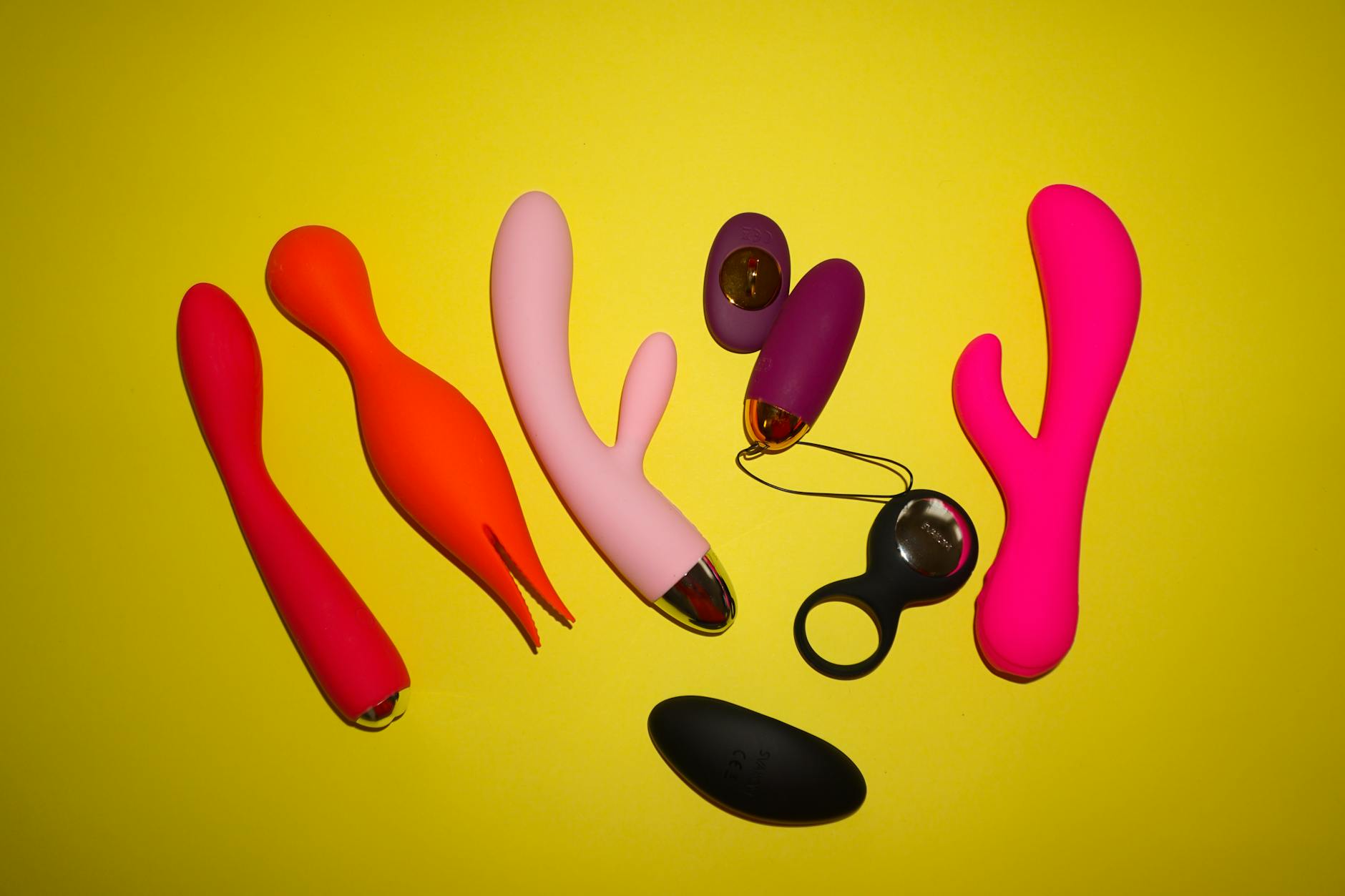
How to Restart Lemon Clitoral Vibrator Use After Menopause
Let's be real. Menopause doesn't kill pleasure. But it does change the path to it.
Estrogen drops roughly 90 percent. Vaginal tissue thins. Lubrication doesn't come as quickly or as generously. Arousal takes longer to build. And if you've been using a lemon vibrator or other clitoral vibrator for years, the sensation might feel completely different now. That's not broken. That's physiology. And it's completely fixable.
I work with women navigating this exact transition every week. What surprises most of them is this: the sensation shift isn't always worse. It's different. And once you understand what changed and why, restarting with your lemon clitoral vibrator becomes not a negotiation with loss, but an exploration of something new.
Why your lemon vibrator feels completely different now
Three things happen at menopause that directly affect how clitoral vibrators feel.
First, tissue density changes. The vulva gets thinner and more delicate. This means direct intense vibration can feel uncomfortable or even painful where it used to feel amazing. The tissue doesn't have the same elasticity or the same protective padding underneath. Your clitoris is still there, still responsive, but the surrounding area is more sensitive to friction.
Second, blood flow patterns shift. Arousal in younger bodies involves a predictable rush of blood to the genitals. That process slows down after menopause. Your vulva might not plump up the same way. This can make it feel like your clitoris is less prominent or less accessible, which affects how vibration registers.
Third, nerve sensitivity sometimes intensifies while overall arousal takes longer to trigger. Weird, right? You might find that your clitoris is actually more sensitive to certain types of stimulation now, but it takes 15 or 20 minutes of foreplay instead of 5 to get there. That's not a flaw. That's your body asking for a longer runway.
Starting over. Gently.
If you've been away from your lemon vibrator for a while, or if you used it before menopause and notice it feels jarring now, here's the reset protocol.
Week one: Explore without intensity. Don't turn on your lemon sucker or lem vibrator at all yet. Use your hands. Spend five minutes just touching your vulva, your labia, your clitoris. No goal. No orgasm target. Just sensation. Your nervous system needs to remember that this area feels good and is safe to feel good. After menopause, many women find their pelvic floor has tensioned up as a protective reflex. Your hands help it remember how to relax.
Week two: Introduce low-setting vibration. Turn on your lemon clitoral vibrator on pattern 1 or 2 (the gentlest setting). Don't use it directly on your clitoris yet. Try it on your outer labia, your inner thigh, the area around but not on your clitoris. This re-acclimates your nervous system to vibration without overwhelming the sensitive tissue. Spend 10 to 15 minutes exploring. If it feels good, great. If you feel any pinching, sharp sensation, or discomfort, ease off.
Week three: Indirect clitoral contact. Now try applying your lem vibrator to your clitoris, but through the hood. Your clitoral hood is less sensitive than the exposed glans itself. This gives you the stimulation you're seeking with a softer delivery. Most women find this sweet spot immediately. Stay here for a few sessions if you need to.
Week four: Direct contact, measured. If indirect contact feels great, try gentle direct contact on pattern 1 or 2. If it's too intense, you've learned something crucial: you're a hood-contact person now, and that's perfect. Many post-menopausal women find they prefer indirect stimulation, and that preference often leads to deeper, more sustained arousal.
Lubrication is not optional
This is the part I emphasize most with clients restarting after menopause. Lubrication stops being optional and becomes foundational.
Water-based lube is your friend here. Silicone lube feels richer, but it can damage your lemon vibrator if the toy is silicone (most are). Water-based dries faster, which means you'll reapply it, which is fine. The act of reapplying actually gives your arousal more runway.
Use way more than you think you need. Your vulva might not self-lubricate as generously anymore. That's not a sign of low desire. That's estrogen doing its chemistry thing. Compensate generously. I recommend keeping your lube bottle right on the nightstand, not in a drawer somewhere. Access and visibility matter.
If water-based lube alone doesn't feel like enough, ask your doctor about vaginal estrogen cream. This is not systemic hormone replacement. It's a topical cream applied two or three times a week that plumps tissue back up locally. Most gynecologists are comfortable prescribing it, and it genuinely transforms the experience within weeks.
Warm-up time is your new best friend
Before menopause, many women could go from zero to aroused in five minutes. After menopause, that timeline shifts to 15 to 25 minutes. This isn't a problem. It's just new information.
Build your sessions around this reality. Don't reach for your lemon clitoral vibrator in the first five minutes. Spend that time on foreplay. Touch your partner or touch yourself. Let your nervous system shift out of "I'm reading emails" mode and into "I'm exploring pleasure" mode. This mental shift matters as much as the physical one.
Once you're genuinely aroused, when you finally reach for your lem vibrator, the experience will be completely different. You'll have blood flow, tissue plumpness, and mental focus. The vibrator becomes the punctuation on what your body and mind are already doing, not the thing you're trying to force into action.
When to see a doctor
If you experience pain during or after using your lemon vibrator, don't wait it out. Genitourinary syndrome of menopause (GSM) is treatable. Pain is data, and it's telling you something needs attention.
Also talk to your doctor if you've lost desire completely and aren't seeing it return even after you've restarted slowly and consistently. Low testosterone after menopause is real, and testosterone therapy is worth exploring with someone who specializes in menopause care.
The pleasure shift is often a pleasure gain
Here's what my clients tell me consistently: the orgasms after menopause are often better than the ones before.
You've spent decades managing the mental load of fertility windows, hormonal cycles, and societal pressure to perform. A lot of that lifts after menopause. Your brain is clearer. Your permission to prioritize your own pleasure is explicit in a way it might not have been before. For many women, this is the first time they've actually explored pleasure for themselves, separate from its role in a relationship or in reproduction.
Restarting with your lemon vibrator after menopause isn't about recovering what you lost. It's about discovering what's available to you now.
FAQ
Is it normal for my lemon vibrator to feel uncomfortable after menopause?
Completely normal. Thinning tissue, lower estrogen, and changes in blood flow all shift how vibration feels. Your clitoris hasn't lost sensitivity. Your tissue has just changed texture. That's why moving to a lower setting, using more lube, and extending warm-up time makes such a dramatic difference.
How long does it take to adjust to using a lemon clitoral vibrator again after menopause?
Most women see meaningful improvement within two to three weeks if they're being consistent and intentional about it. Some find the rhythm shift within days. The reset protocol is four weeks, but many women can move faster through the stages if their body tells them they're ready.
Can I use my lemon sucker the same way I did before menopause?
Maybe, but start lower and move slower. Air-suction toys like the lem vibrator are actually gentler on thinned tissue than you might think, because they don't create the same direct friction. But if you come from a pre-menopause habit of going straight to pattern 5, your post-menopause clitoris might need patterns 1 through 3 first. Give yourself permission to start over.
Does vaginal estrogen cream help with using vibrators?
Yes, significantly. Topical estrogen plumps tissue back up locally, restores lubrication, and often makes the entire experience more pleasurable within two to three weeks. Talk to your gynecologist about whether it's right for you.
Is loss of desire during menopause related to my vibrator not feeling the same?
Desire loss is usually multi-layered. The physical shift of your vibrator sensation is part of it, but hormonal changes, life stress, relationship dynamics, and sometimes untreated depression also play roles. If you're consistently not interested even after you've restarted slowly and the vibrator feels good again, talk to a therapist or a menopause-trained doctor. Low testosterone is worth evaluating.
What lube should I use with my lemon vibrator after menopause?
Water-based lube is your safest bet if your lem vibrator or lemon clitoral vibrator is silicone. Apply generously. You'll need more than you did before menopause. If water-based alone doesn't feel sufficient, add topical estrogen cream in rotation with lube, or explore hybrid lubes that combine water and silicone properties (check your toy's material first).
Restarting with your lemon vibrator after menopause is not a step backward. It's a recalibration. Your clitoris is still there. The nerves that bring you pleasure are still firing. The pathways are the same. Your body is just asking you to take the scenic route instead of the express lane. And honestly, the scenic route often has the better views.
If you're struggling with the transition or have questions about how to move forward, reach out to Hello Nancy. There's no reason to navigate this alone.