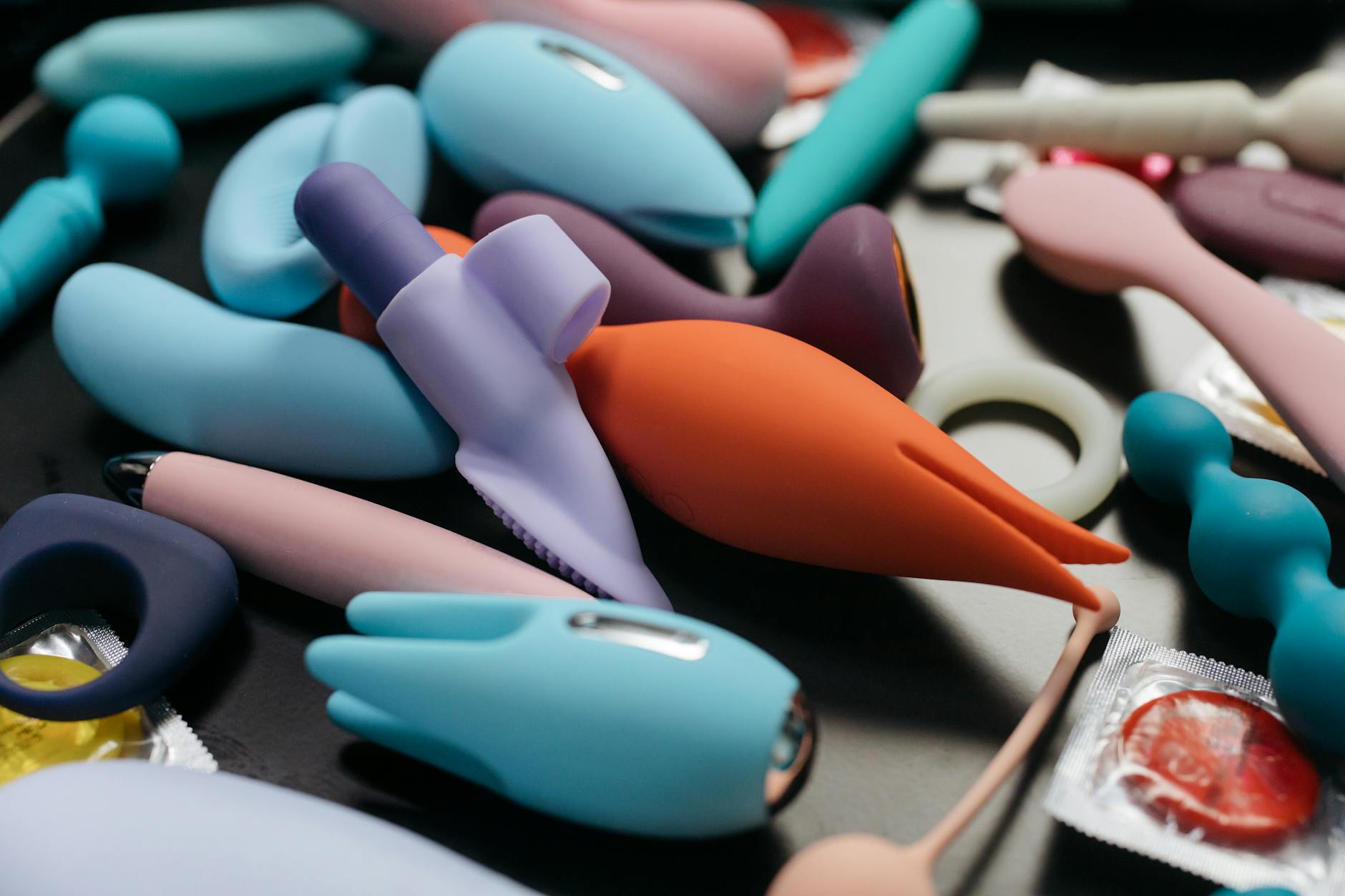
Let's talk about texture sensitivity first
Texture sensitivity is real, and it's wildly misunderstood. People hear "I can't tolerate rough surfaces" or "vibration feels too intense" and assume toys just aren't an option. That's wrong. It means you need different toys. The good news? Lemon Pleasure makes lemon vibrators and clitoral vibrators specifically designed with sensitivity in mind. The material, the vibration pattern, the size of the contact surface. All of it matters.
Here's what I see in my work with couples: people with texture sensitivity often avoid toys altogether, which means they miss out on pleasure that could actually feel great. Or they try something unsuitable, have a mediocre or uncomfortable experience, and never try again. That's a shame.
Material matters more than you think
First layer of decision: what touches your skin. Most quality lemon vibrators use medical-grade silicone. It's non-porous, hypoallergenic, and smooth. But not all silicone is the same. Some brands use lower-grade silicone that feels tacky or sticky. Lemon Pleasure uses premium silicone that's soft without being clingy.
If silicone feels wrong on your skin, you have options. Some people with significant sensitivity prefer glass or stainless steel toys because they're completely smooth and temperature-responsive. They don't vibrate in the same way as silicone toys, but a suction toy like the Lemon clitoral vibrator works differently anyway. Suction stimulates through gentle pressure rather than rapid movement, which is gentler for many people with texture sensitivity.
The key detail: run your finger over the toy's contact surface. If it feels sticky, rough, or leaves residue on your skin, it's not the one. A quality lemon vibrator should feel silky smooth even after extended use.
Size and shape of the contact surface
This is overlooked constantly. A smaller contact point concentrates vibration intensity into a tiny area. For someone with sensitivity, that can feel too sharp or overwhelming. A wider, softer contact surface distributes that same intensity across more skin, which feels gentler and more diffuse.
Lemon's design philosophy reflects this. The Lem vibrator has a wider, flatter contact surface compared to many competitors. That design choice isn't accidental. It's built for people who want targeted clitoral pleasure without the jackhammer sensation.
If you're shopping for a lemon vibrator or any clitoral vibrator and you have sensitivity, ask yourself: is the contact point narrow (concentrated intensity) or wide (distributed sensation)? Wide is usually your friend.
Vibration intensity and pattern options
Let's separate two things: amplitude (how far the toy moves) and frequency (how many times per second it pulses). Low amplitude with high frequency feels gentler than high amplitude with low frequency. You want options.
Honestly, the best vibrator for someone with sensitivity is one with multiple intensity levels. Start at setting one or two. Feel what happens. Build from there. Many people think they don't like vibrators because they've only tried the maximum setting.
The Lemon clitoral vibrator has adjustable intensities specifically for this reason. You're not locked into one speed. You control the experience.
Some toys also offer pattern variation. A steady hum feels different than a pulse pattern. Pulse patterns can feel more like rhythm and less like constant pressure, which appeals to many people with sensitivity.
The warm-up effect you're probably not considering
Your body has a warm-up curve. That's not just metaphorical. When you're first stimulated, blood flow increases to the area. Nerve endings become more responsive. Tissue swells slightly. This actually changes sensation over time.
For people with texture sensitivity, this is huge. The toy might feel intense or uncomfortable at first, then feel perfect after 30 seconds. This is why starting at a lower intensity and building up matters. You're not fighting your body. You're working with its natural response.
I also see people with sensitivity respond better when the toy isn't the first thing touching them. A partner's hands first, or even your own hands, creates a warm-up that makes the toy more comfortable when it arrives.
Material allergies and irritation you need to know
Texture sensitivity and material allergies are different, but they interact. If you know you react to certain materials. latex, fragrances, certain plastics. be upfront about it. Medical-grade silicone is hypoallergenic, but if you have extreme reactivity, glass or stainless steel lemon vibrators exist.
One thing I always mention: if irritation develops after using a toy, clean it properly. Bacterial growth from improper storage can feel like the toy is the problem when the problem is maintenance. Use warm water and mild soap, or a toy cleaner, and store it in a breathable case. Never sealed in a plastic bag where moisture collects.
How your nervous system plays into this
Texture sensitivity isn't always just about texture. For many people, it's entangled with nervous system activation. If you're in a heightened state of alert or anxiety, sensation that would feel fine normally feels intolerable. Your nervous system is in protection mode.
This matters clinically. It means that your best approach to using a lemon vibrator or any clitoral vibrator might be context-dependent. You might tolerate it beautifully in a calm, private moment but feel overwhelmed during a stressful week. That's not a flaw in the toy. It's your system doing its job.
Setting the environment makes a huge difference. Warm room, time to yourself, no rush, starting with low intensity. These aren't luxuries. They're part of your actual access to pleasure.
Testing before you commit
Ideally, you'd test a lemon vibrator before buying. That's not always possible. What you can do. read reviews from people describing similar sensitivity. Look for language like "gentle," "diffuse," "rumbly," "not sharp." Avoid toys described as "intense," "pinpoint," or "high-pitched." Those aren't bad toys. They're just not your toys.
Lemon Pleasure also has a return policy, which matters. If you order a lemon clitoral vibrator and it doesn't work for your body, you can try something else. That safety net is real.
When to try professional support
If texture sensitivity is severe or has developed recently, sometimes it's worth checking with a pelvic health physical therapist. Sensitivity can occasionally flag nerve issues, pelvic tension, or other treatable conditions. A PT can rule out structural issues and sometimes help you rebuild tolerance through gentle techniques.
This isn't shameful or weird. It's the same reason you'd see a PT if you developed pain in any other part of your body. Your pelvic floor and external genitalia have physical structures that can be assessed and worked with.
The real talk about preferences
Here's the thing I tell my clients: sometimes you'll try a lemon vibrator or any toy and realize it's just not for you, and that's fine. Preference isn't a problem to solve. Some people don't enjoy vibration, regardless of how gentle it is. They prefer other kinds of stimulation. manual, partnered, non-vibrational toys. That's not failure.
But if you want clitoral vibrators or lemon sexual toys in your pleasure routine and texture sensitivity has been the barrier, a well-chosen toy can transform that. The right fit. the right material, the right intensity setting. can make all the difference.
Moving forward with confidence
Choosing a lemon vibrator when you're sensitive to texture and pressure comes down to three things. material quality, contact surface shape, and intensity control. Start with silicone because it's smooth and nonporous. Look for a wider contact point if possible. Use the lowest intensity first. Give your body time to warm up.
If you're considering a lemon clitoral vibrator for the first time, you're not starting from zero. You've already learned something about your body by being sensitive to it. That awareness is actually an advantage. You know what doesn't work. Use that to identify what might.
Your pleasure matters. Sensitivity doesn't disqualify you from it. It just means you get to be more intentional about how you access it. That's not a limitation. It's actually a gift.
People also ask
What's the difference between a lemon vibrator and other clitoral vibrators?
The Lem vibrator uses suction stimulation paired with vibration, which many people find gentler than traditional vibrators because the pressure is distributed and rhythmic rather than rapid and concentrated. Other clitoral vibrators might use different vibration patterns or contact surfaces. The key is finding which mechanism your body responds to. For people with texture sensitivity, suction toys often feel less intense than high-frequency vibrators because suction operates through gentle pressure change rather than rapid movement.
Can I use a lemon vibrator if I have very reactive skin?
Yes, especially if your sensitivity is to texture rather than material allergy. Start at the lowest setting and use for short periods initially. Medical-grade silicone lemon vibrators are hypoallergenic, but if you have severe reactivity to silicone, you'd explore glass or stainless steel options instead. Always clean your toy properly after use and store it clean and dry to prevent bacterial growth that can cause irritation.
How do I know if my sensitivity will get better with time?
Sensation often improves with repeated, low-pressure exposure as your nervous system habituates. Think of it like volume. If a sound is too loud, your brain adapts over time. Same principle. However, if sensitivity gets worse with use rather than better, that's worth mentioning to a healthcare provider. Pain or increasing discomfort isn't something to push through.
Are there settings or patterns that tend to feel better for sensitive people?
Steady, low-frequency vibration tends to feel better than rapid, high-frequency patterns for many people with sensitivity. Pulse patterns often feel gentler than continuous vibration. Suction mechanisms like the Lem vibrator appeal to sensitive users because they use pressure change rather than speed. The best approach is always to start at the lowest intensity available and increase gradually.
Should I use lubricant with a lemon vibrator if I have sensitive skin?
Absolutely. Lubricant reduces friction and makes the contact surface feel less intense. Water-based lube is safest because it won't degrade silicone. Lubrication isn't just for dryness. It's a tool to make sensation feel gentler and more comfortable, especially if you're sensitive to texture or pressure.
What if a lemon vibrator feels good at first but uncomfortable after a few minutes?
That usually signals you've set the intensity too high for your body to sustain. Use a lower setting and extend the session. You're not trying to reach climax as fast as possible. Pleasure is the point, and for many people with sensitivity, that takes more time and less intensity. Interrupting sensation to give your body a break is also completely normal and helpful.
The bigger picture
Texture and pressure sensitivity isn't a barrier to pleasure. It's information about what your body needs. The right lemon vibrator, the right material, the right intensity. these choices exist specifically so you can access clitoral pleasure in a way that works for your nervous system.
If you're ready to explore and you want to talk through options, reach out to us at Lemon Pleasure. We're here to help you find what actually feels good.