
The adjustment thing is real, and it's not weakness
Let me be straight with you: trying a lemon clitoral vibrator for the first time doesn't always feel like the ads promise. Your body might feel startled. The sensation could feel too intense, too buzzy, or just plain weird. You might wonder if something's wrong with you. There's nothing wrong with you. This is just what happens when your nervous system meets something new.
The adjustment timeline isn't one size fits all. Some people click with a lemon vibrator in a single session. Others need two weeks of gentle exploration before it clicks. Most land somewhere in the middle. Understanding what's typical helps you stop second-guessing yourself and actually relax into it.
The first session. What to expect
Your first time with a lemon vibrator, your body is doing threat assessment. That's not dramatic. It's just what happens. The clitoris has thousands of nerve endings, and you're introducing a new stimulus pattern to all of them at once. Some people feel electricity. Some feel buzzing that borders on uncomfortable. Some feel nothing at all.
Here's what I see in my practice:
- About 40 percent of people have a positive or neutral first experience. They're not blown away, but they're curious.
- About 40 percent feel overstimulated or jarring sensations that make them want to stop.
- About 20 percent feel almost nothing, which is frustrating in its own way.
None of these outcomes predict what happens in week two or week four. I've worked with couples where the first session was meh, and by week three, the lemon vibrator became their go-to tool. I've also worked with people who felt great initially but then needed a recovery period while their nervous system recalibrated.
The takeaway: first session data is not destiny.
Days two through seven. The nervous system settles
If you try your lemon vibrator once and it feels overwhelming, the second time is often calmer. Your nervous system has already met this sensation. It's filing it under "not a threat." That alone changes everything.
I recommend a minimum of three sessions spaced across a week before you draw any conclusions. Three separate times lets your body build familiarity without fatigue. Between sessions, your nervous system is literally rewiring how it processes the sensation.
During this week, stay with lower intensity settings. If your lemon vibrator has multiple patterns or power levels, you're probably reaching for the highest one out of curiosity or because you think "more power equals more pleasure." That's not how it works. More power equals more stimulation, which your nervous system is still learning to process.
Why Lemon Vibrators Feel Too Intense at First covers this in detail, but the short version is: start low, stay low for days two through seven, and notice what changes.
Week two through four. The click
Somewhere between day eight and day twenty-eight, most people experience a shift. The lemon clitoral vibrator stops feeling foreign and starts feeling useful. You're breathing differently. You're relaxing your pelvic floor instead of tensing it. You're not thinking about whether it's "working" and just letting sensation build.
This is where couples also notice a difference. If you've been exploring solo, introducing your lemon vibrator with a partner becomes less about "here's this weird thing" and more about "here's something I've gotten to know." That confidence changes how your partner responds.
The four-week mark is real for a reason. That's roughly how long it takes your nervous system to stop treating a stimulus as novel and start integrating it as part of your pleasure toolkit. In cognitive science, we call this habituation, but that word makes it sound passive. You're not getting used to it. You're learning it.
Why some people take longer (and that's totally okay)
If you're at week three and you're still not feeling much, here are the actual culprits:
Tension in the pelvic floor. If you're holding tension in your pelvis, you're essentially fighting the vibrator. The clit is connected to the entire pelvic floor. Relaxation matters more than the tool itself. Spend time warming up. Take five minutes to breathe into your lower belly before you even turn on your lemon vibrator.
Numbness from medication. Antidepressants, certain birth controls, and blood pressure meds can reduce sensation. This isn't permanent, but it's real. If you're on medication, you might genuinely need more time or more direct stimulation.
Disconnection from your own arousal. Some people have spent years ignoring their body's signals. A lemon vibrator can't create sensation where there's no nervous system activation. This is where the mental game matters. You have to give yourself permission to feel pleasure, to be selfish about it, to not perform for anyone.
Unrealistic expectations. If you're expecting the kind of orgasm you've heard about in stories, you might miss the subtler build-up happening right now. The first orgasm with a new tool often isn't the biggest one. It's often quiet or surprising or comes from a completely different angle than you expected.
The partner conversation, if that's your situation
If you're adjusting to a lemon vibrator with someone in the picture, timing is everything. Don't introduce it during the adjustment period and expect them to immediately understand what's happening. You need solo exploration time first. You need to know your own response, your own preferences, your own pressure.
Once you've had two to three weeks of solo exploration, that's when you bring your partner in. Not as a surprise, not as a problem-solving tool, but as "I've been exploring this, here's what I'm learning about myself, and I'd like you to be part of it."
That conversation is worth taking time with. How to Introduce a Lemon Vibrator to Your Partner goes deeper, but the core idea is: your adjustment timeline is your own.
What real adjustment timelines look like
I want to normalize the range here because a lot of people think they're doing it wrong when they're just on a different timeline.
-
Fast adjustment (days 1-3). You feel good sensations by session two. Your nervous system relaxes quickly. You're curious and willing to experiment. You might hit a plateau around week two where you want to explore different patterns or intensities.
-
Standard adjustment (week 1-3). First session is eh. Second and third sessions feel less jarring. By day eight, you're noticing genuine pleasure. By day fifteen, you feel confident enough to add a lemon vibrator to partnered sex if that's relevant to you.
-
Slower adjustment (week 2-6). First few sessions feel overstimulating or numb. Week two is when curiosity kicks in. You're experimenting with different angles, patterns, or timing. By week four, you've found a reliable sensation. By week six, it's genuinely integrated into your pleasure vocabulary.
-
Non-linear adjustment (all over the place). Some days it feels amazing. Other days it feels like nothing. Your body is responding to stress, hormones, relationship dynamics, sleep, or how much water you drank. This is normal. Give it eight weeks before you decide it's not for you.
The thing that actually speeds up adjustment
It's not more sessions. It's not better technique. It's self-compassion. When you stop treating the adjustment period like a test you might fail and start treating it like information you're gathering, everything relaxes. Your nervous system follows your mind's lead.
If your lemon vibrator doesn't feel right on day two, that doesn't mean you're broken or you bought the wrong thing. It means your body is being cautious with a new sensation. That's not a flaw. That's wisdom.
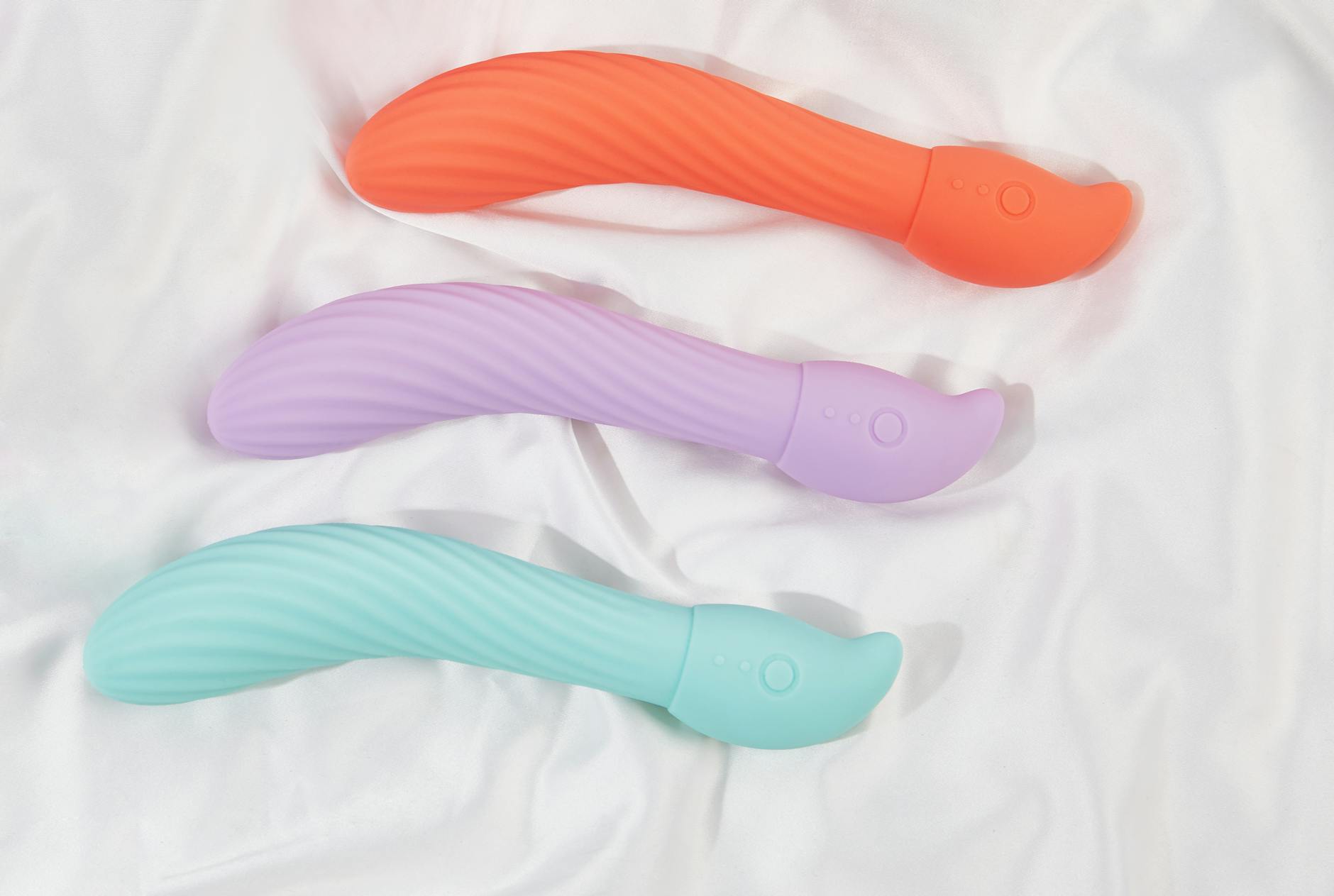
Photo by IFONNX Toys on Pexels
Why bodies respond differently
Nerves vary. Sensitivity varies. Your baseline arousal level that day varies. Stress varies. Past experiences vary. When you're adjusting to a lemon clitoral vibrator, you're not just learning the tool. You're learning how your particular nervous system, with your particular history, with your particular body, responds to this specific sensation.
That's individual work. You can't compare your timeline to someone else's any more than you can compare your fingerprints. The person who felt amazing on day one isn't more pleasure-capable than you if you need three weeks. They're just responding to a different stimulus pattern.
Troubleshooting the slow adjustment
If you're past week four and you're still struggling, here's what to check:
Lubrication. Lemon vibrators work better with lubrication. Not because you're dry, but because the slickness changes how the sensation moves across your skin. Use water-based lube generously.
Positioning. Angle matters. You might need to approach the clitoris from the side instead of head-on. You might need the vibrator higher or lower than you think. Spend sessions just exploring angle, not chasing sensation.
Pressure. Some people need to press the lemon vibrator against the clitoris firmly. Others need barely any contact. You're looking for the pressure that makes sensation clear, not numbing.
Setting. If you're trying to adjust in a stressed or rushed context, your nervous system won't relax. Set aside time when you have at least twenty minutes and zero distractions. Your brain's threat detection system needs to be offline.
Solo first. If you've been doing this with a partner present, try solo exploration. The pressure of being watched or being a good partner can override sensation. Some people need that private, selfish time to actually feel what's happening.
When to call it
I'm going to be honest: some people genuinely don't vibe with clitoral vibrators, and that's fine. You've given it eight weeks of real, patient exploration across different times of your cycle, different stress levels, different positions, and different pressure. Nothing landed. That's data. That doesn't mean you're broken. It means your body might respond better to other kinds of stimulation.
But most people who say "it's not for me" after three days are just in the adjustment phase. They haven't given their nervous system time to integrate the sensation. The difference between day four and day fourteen is enormous.
The patience payoff
When you're patient with the adjustment period, something interesting happens. Your lemon vibrator stops being this external tool you're trying to figure out and becomes part of how your body experiences pleasure. The sensation that felt jarring becomes exactly what you want. The pattern that seemed too buzzy becomes your favorite. The intensity you thought was too much becomes perfect.
That shift usually happens somewhere in that two to four week window. It's worth waiting for.
People also ask
How long does it take for your body to adjust to a new vibrator?
Most people experience a noticeable shift in comfort and sensation between day eight and day twenty-eight. Full nervous system integration typically takes four to six weeks. But "adjustment" is different from "click." You might adjust to a sensation in two days and not love it until week three. These happen on different timelines.
Is it normal to feel nothing when using a lemon vibrator for the first time?
Completely normal. Up to 20 percent of people feel almost no sensation on the first try. Your nervous system is in threat assessment mode. You might be tensing your pelvic floor. You might be overthinking it. You might be using too much pressure, which can paradoxically numb sensation. Come back to it in a day or two without expectations.
Why does a lemon vibrator feel uncomfortable at first?
The clitoris is extremely sensitive, and a new vibration pattern can feel overwhelming to that many nerve endings all at once. It's like your sensory system saying "whoa, slow down." That's not a sign something's wrong. It's your nervous system being cautious. Lowering the intensity and giving yourself more time between sessions helps your body recalibrate.
Can you get used to a vibrator too quickly?
You can become very familiar with a vibrator's sensation in a week or two, which some people mistake for numbness. You're not numb. You're just less startled by it. This is actually when you can explore new patterns or pressures more effectively. If you're genuinely not feeling sensation anymore, take a break for two or three days, then come back.
What helps a lemon clitoral vibrator feel better during the adjustment period?
Lubrication, lower settings, less pressure than you think, relaxed pelvic floor, zero distractions, realistic expectations, and patience. Also: solo exploration before partnered use. You learn faster when there's no audience.
Should I use a lemon vibrator every day while adjusting?
No. Every other day is better. Your nervous system needs time to integrate between sessions. Daily use during the adjustment phase can actually slow things down because you're not giving your body recovery time. Three to four sessions per week for the first four weeks is the sweet spot.
The bottom line
Adjusting to a lemon vibrator is not about willpower or technique. It's about giving your nervous system time to recognize a new sensation as safe and useful. Most people get there in two to four weeks. Some take longer. That's not a failure. That's just how individual bodies work.
The invitation here is patience. Not with yourself, but with the actual timeline your body needs. That patience is what makes pleasure sustainable. It's what turns "trying something new" into "this is part of how I feel good."
If you have specific questions about your adjustment or your lemon vibrator, we're here to help. Reach out anytime at /contact.